 |
||||||||||||||||||||||||||||||||||||||
|





































|
|
 |
|
|
|
The wheels page |
|
|
|
I fully appreciate that with this page, we are potentially stepping into a minefield of knowledge, counter-knowledge and supposed fact. At the outset, I would like to state my thanks - again - to the Falcon GT Club of Australia, and its members, who have a great source of information about the subject. I have taken this information and tried to gather it together as best as I can. If anyone has any further information that they could share and help with, please get in touch with us. |
|
|
|
GT wheels |
|
|
|
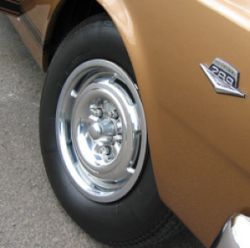
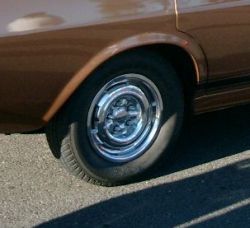
XR GT’s had a 5.5 inch rim which was manufactured by Rubery,Owen and Kelmsley (ROK Australia). They had a fully polished stainless steel hubcap which came from the 1966 Mercury Comet Cyclone GT in the U.S. Special chrome wheel nuts were used that protrude through the hubcap. Wheel diameter was 14 inches. |
|
|
||||||||||||||||||||||||||||||||
|
|
|
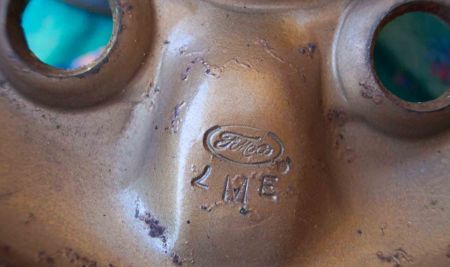
XR GT wheel markings |
 |
|||||||||||||||||||||||||||||
|
|
|
|
|
|
|
|
|
|
|
|
|
|
|
|
|
|
|
|
|
|
|
|
|
|
|
|
|
|
|
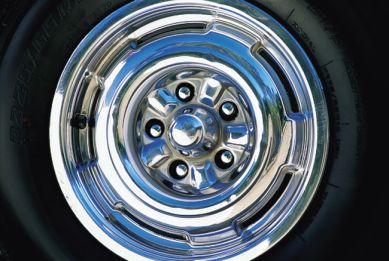
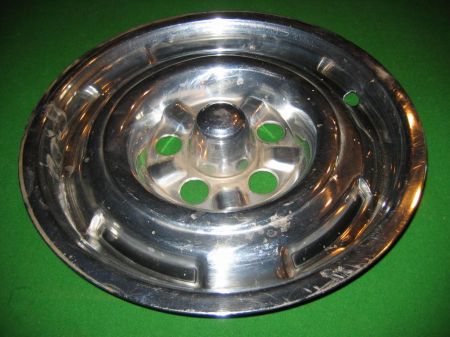
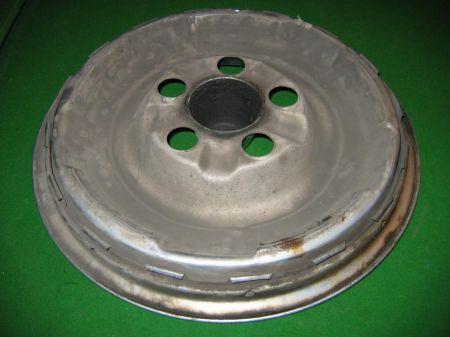
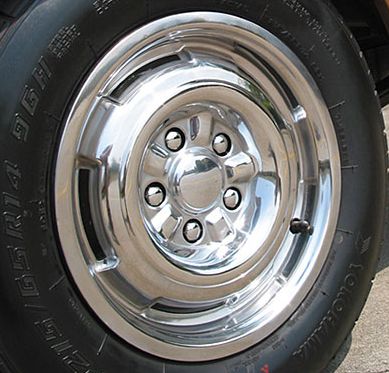
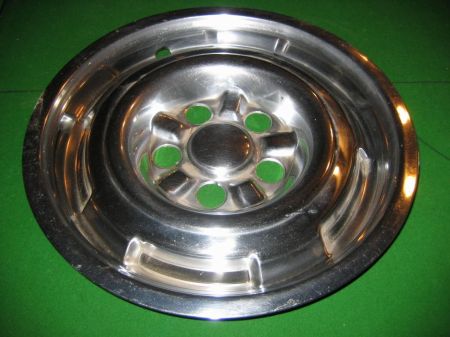
XT GT’s had a 6 inch rim made by R.O.K. (Australia), and ROK is stamped on one of the three hubcap lugs. There is an additional smaller hole between two of the wheel nut holes. XT GT’s also had the same hubcap as the XR GT but had different length wheel nuts to compensate for the 1/2 inch wider rim. These hubcaps and wheel nuts were also used on the later XW and XY GS range. Wheel diameter was 14 inches. |
|||||||||||||||||||||||||||||
|
XT Front |
|||||||||||||||||||||||||||||
 |
|||||||||||||||||||||||||||||
|
And in detail off the wheel |
|||||||||||||||||||||||||||||
 |
|||||||||||||||||||||||||||||
 |
|||||||||||||||||||||||||||||
|
XT Rear |
|||||||||||||||||||||||||||||
 |
|||||||||||||||||||||||||||||
|
And in detail off the wheel |
|||||||||||||||||||||||||||||
 |
|||||||||||||||||||||||||||||
 |
|||||||||||||||||||||||||||||
|
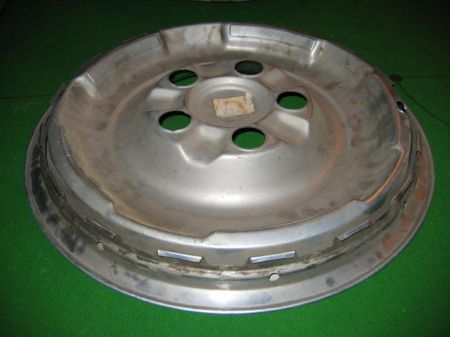
Note that the front wheel has a peaked centre to allow for the wheel bearing grease cap. |
|||||||||||||||||||||||||||||
|
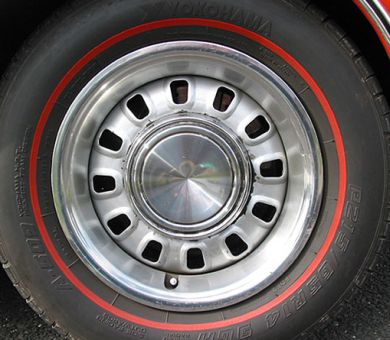
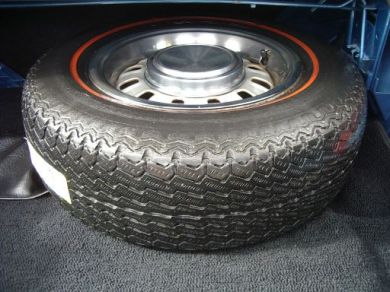
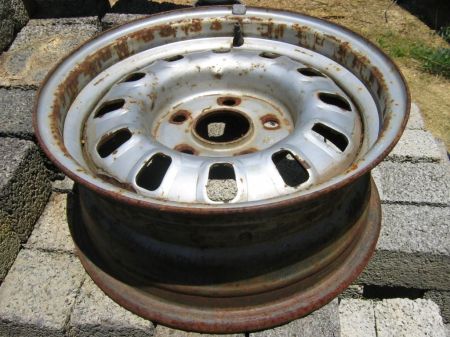
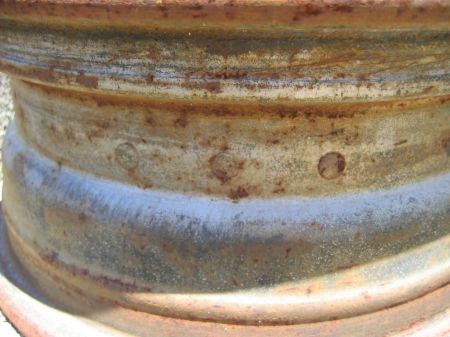
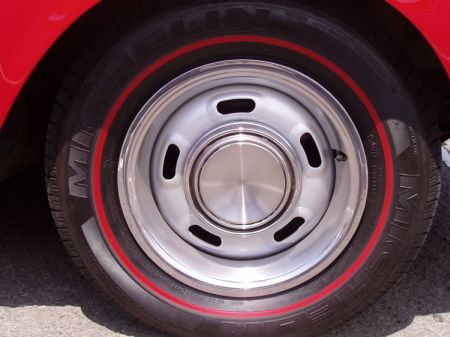
XW GT’s from 1969 to approximately 2/70 had Kelsey Hayes (Canada) riveted, 6 inch wide, 12 slot wheels of 14 inches diameter. From 2/70 onwards, XW GT’s had riveted, 6 inch wide, 5 slot Kelsey Hayes (Canada) wheels of 14 inches diameter. Hubcaps for both wheels were plain, flat dishes. The Canadian riveted wheels have a reputation for having pressing splits where the hub sticks through the rim. |
|||||||||||||||||||||||||||||
|
XW 12 slots |
|||||||||||||||||||||||||||||
 |
|||||||||||||||||||||||||||||
 |
|||||||||||||||||||||||||||||
 |
|||||||||||||||||||||||||||||
|
The rivets |
|||||||||||||||||||||||||||||
 |
|||||||||||||||||||||||||||||
|
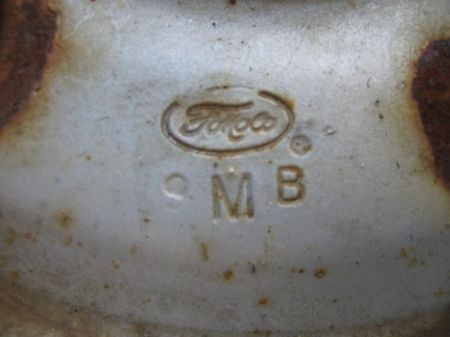
The stamped markings |
|||||||||||||||||||||||||||||
 |
|||||||||||||||||||||||||||||
|
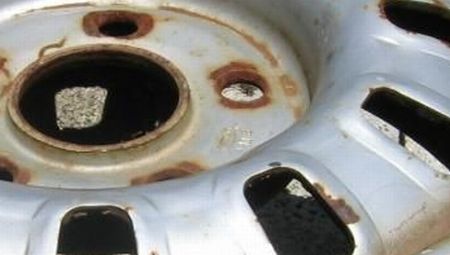
Where the stampings are |
|||||||||||||||||||||||||||||
 |
|||||||||||||||||||||||||||||
|
|
|
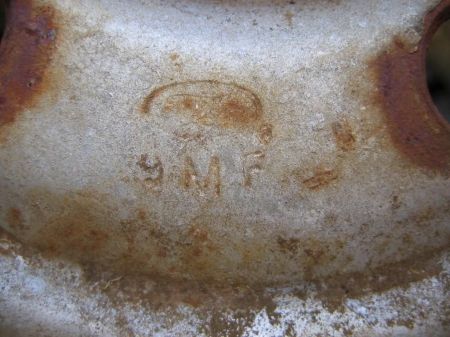
Another set of stampings from another wheel |
 |
||||||||||||||||||||||||||||||||||||
|
|
|
|
|
|
|
|
|
|
|
|
|
|
|
|
|
|
|
|
|
|
|
|
|
|
|
|
|
|
|
|
|
|
|
|
|
|
XW 5 slots |
||||||||||||||||||||||||||||||||||||
 |
||||||||||||||||||||||||||||||||||||
 |
||||||||||||||||||||||||||||||||||||
|
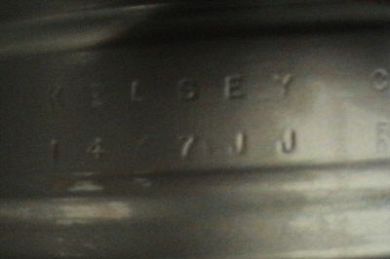
This is the Kelsey manufactuing stamp on the inside of Kelsey Hayes rims, but note that the size stamped is 14 x 7JJ. These are five slot rims, but 7inch width was never offered on Australian GTs. These are U.S. rims for Torino or Mustangs. The 14 x 6 was used on the Mercury Cyclone GT. |
||||||||||||||||||||||||||||||||||||
|
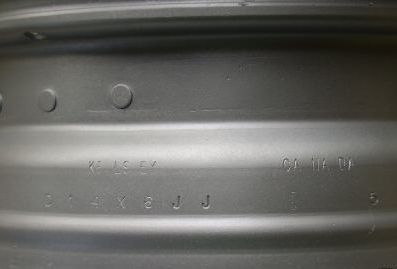
Here are the 14 x 6 Kelsey Hayes markings. |
||||||||||||||||||||||||||||||||||||
 |
||||||||||||||||||||||||||||||||||||
|
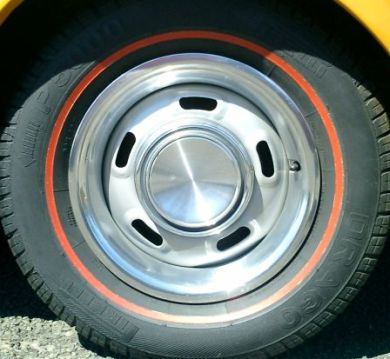
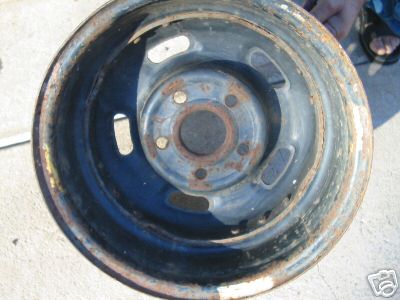
XY GT’s only had riveted, 6 inch wide, 5 slot wheels of 14 inches diameter, but optional were the Sports Road wheel made by R.O.H. (Australia) which were 6 inches wide and 14 inches in diameter. Hubcaps were plain, flat dishes. |
||||||||||||||||||||||||||||||||||||
 |
||||||||||||||||||||||||||||||||||||
|
XY 5 slots |
||||||||||||||||||||||||||||||||||||
 |
||||||||||||||||||||||||||||||||||||
|
A rear view showing the rivets. |
||||||||||||||||||||||||||||||||||||
|
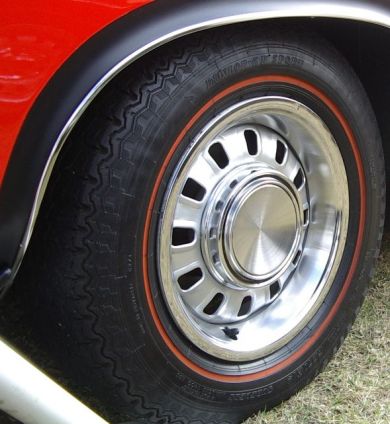
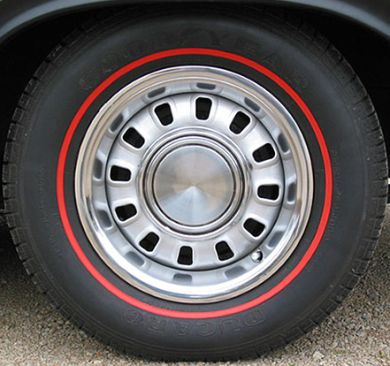
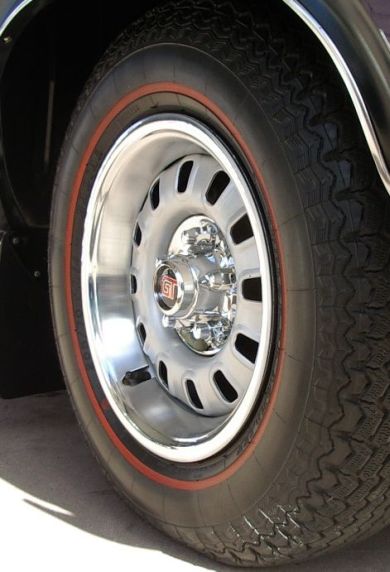
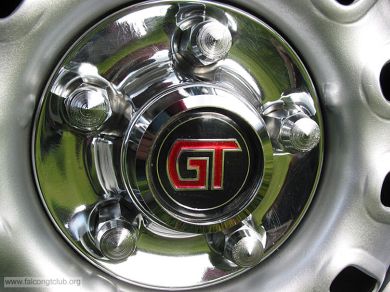
XA GT’s had 6 inch wide, welded, 12 slot wheels made by R.O.H. (Australia) which were 14 inches in diameter. Early XA cars had the same plain, flat dished hubcaps as the XW and XY, but later XA’s had a smaller centre cap with a raised, red lettered GT symbol and chromed wheel nuts that protruded through the cap. Optional on the XA were the Sports road wheel made by R.O.H. (Australia) and 6 inches wide and 14 inches in diameter. Also optional were the Daytona, most commonly known as the Bathurst, wheel made by Globe Products of South Australia available as 7 inch wide and 15 inches in diameter. |
||||||||||||||||||||||||||||||||||||
 |
||||||||||||||||||||||||||||||||||||
 |
||||||||||||||||||||||||||||||||||||
|
Early XA 12 slots with dished centre cap |
||||||||||||||||||||||||||||||||||||
 |
||||||||||||||||||||||||||||||||||||
|
Late XA and all XB 12 slots with GT centre cap |
||||||||||||||||||||||||||||||||||||
 |
||||||||||||||||||||||||||||||||||||
|
XA/XB GT centre cap |
||||||||||||||||||||||||||||||||||||
 |
||||||||||||||||||||||||||||||||||||
|
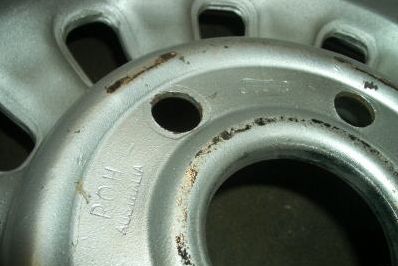
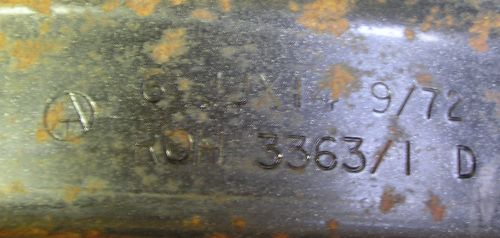
Here are the markings for a 1972 ROH 6x14 1 slot wheel. |
||||||||||||||||||||||||||||||||||||
 |
||||||||||||||||||||||||||||||||||||
|
XA 12 slot wheels had a ‘small’ hub centre of approx 62mm diameter, later 12 slot wheels, as used on 1974 upwards XB’s had a ‘large’ hub centre of approx 70mm. |
||||||||||||||||||||||||||||||||||||
|
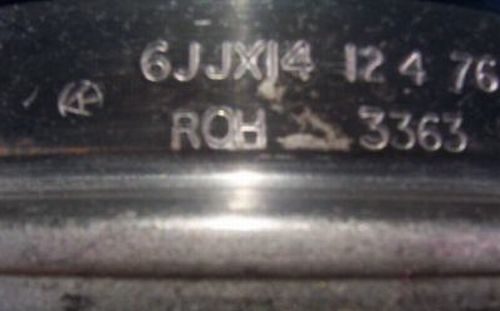
XB GT’s had the same R.O.H. manufactured, 6 inch wide, 14 inch diameter 12 slots as fitted to the later XA’s. They also offered the optional R.O.H. Sports Road wheels, 6 inch wide, 14 inch diameter, and the optional Globe Products Daytona/Bathurst wheels, 7 inch wide, 15 inch diameter. |
||||||||||||||||||||||||||||||||||||
 |
||||||||||||||||||||||||||||||||||||
|
Trim rings |
||||||||||||||||||||||||||||||||||||
|
|
|
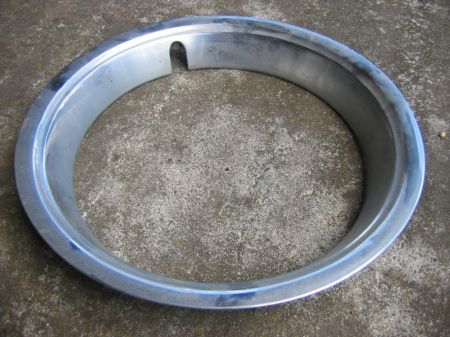
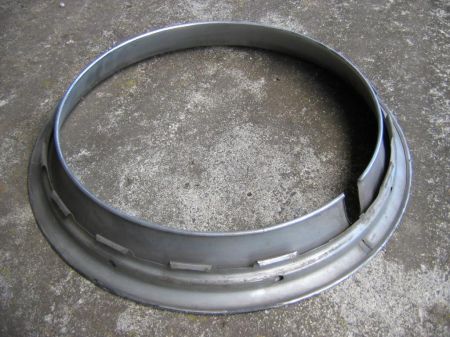
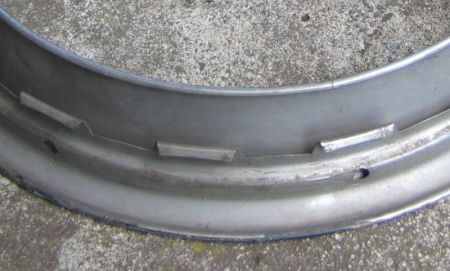
All of the GT 5 slot and 12 slot wheels, no matter of whose manufacture, came fitted from the factory by Ford with brushed trim rings, shown here. |
|
|
 |
|
|
 |
|
|
 |
|
|
|
Back to contents |
|
|
|
The Sports Road wheel |
|
|
|||||||||||||||||||||
|
|
|
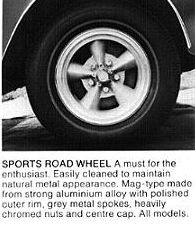
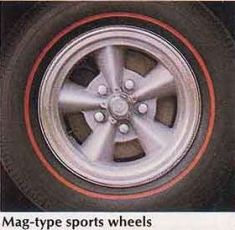
In all of the Ford sales literature the wheel was described as ‘6-inch Mag. type sports road wheels’. |
|
|
 |
|
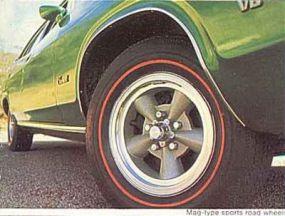
And referred to as ‘Mag-type sports road wheel’ in the second XA sales brochure. |
|
|
||||||||||||||||||||||||||||
|
|
|
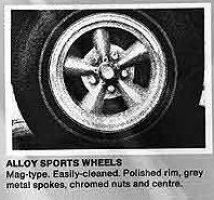
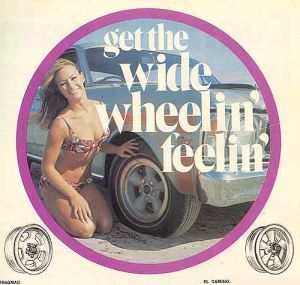
This is the wheel as advertised by R.O.H. themselves. |
|
 |
|
|
|
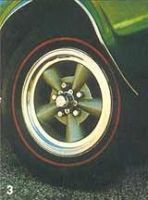
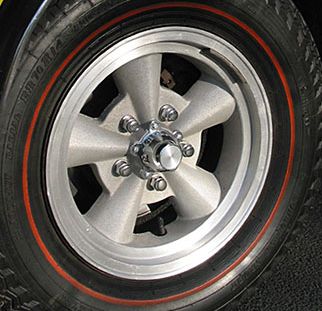
And here is the wheel in all its colourful glory. |
|
|
|
 |
|
|
|
Note the original ER70H14 Dunlop Aquajet redline tyre. |
|||||
|
The Sports Road wheel was only offered from Ford in 6 x 14 inch size. |
|||||
|
|
|
The Sports Road wheel were Option 52 on the option sheet, and were either a factory ordered option, or could be installed by the dealer. |
|
|
|
|
The Sports Road wheels had alloy centres and steel rims and were heavier than the steel wheels they were an option to replace. |
||
|
The Sports Road wheel had the same chromed centre cap with a spun alloy centre and five screw fixing method as the Bathurst Globe alloy wheels. Originally, the fixing screws were Phillips headed. |
||
|
The Sports Road wheel wheel nuts are not the same as those used for the Bathurst Globe wheel. The Sports wheel nut has a flat top - as opposed to the slightly pointed top to the Globe wheel nut - and, more importantly, they do not have a washer, but instead have a taper which fits into the rim without a washer. This is the same wheel nut that was used later on the XC GXL Falcon’s mag wheels. |
||
|
The Sports Road wheel was made in Australia by R.O.H. and is not the same as the wheel fitted to the U.S. 1969/70 Shelby Mustang which was all alloy with more prominent, wider spokes. |
||
|
The Sports Road wheel continued to be offered as an option through the XB Falcon even though Ford swapped from a small centre hub hole of 2.5 inches, to a larger hub centre hole of 2.75inches. The later version had a ‘step down’ to cater for the larger hub. |
||
|
|
|
The Sports Road wheel has its date of manufacture and part number stamped on the inside edge of the rim. The tyre has to be removed to see this. |
|
|
|
|
|
|
|
|
|
|
|
|
|
|
|
|
|
|
|
|
|
|
|
|
|
|
|
The Sports Road wheel was not just an option fitted to GT’s, but could fitted right across the model range, including utes and panel vans. |
|||||||||||||||||||||||||
|
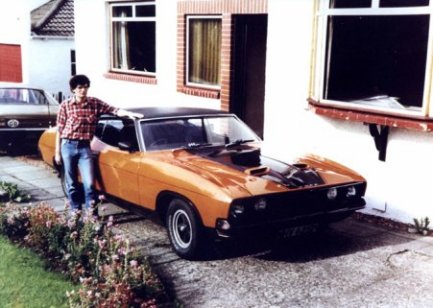
It would appear that a high proportion of the Falcons that came to the U.K. when new were fitted with the Sports Option wheel. I can only assume that this was done to project a more upmarket image for these cars, situated as they were at the top of the range offered by Ford U.K. |
|||||||||||||||||||||||||
|
As examples, here is the XB GT that I owned in the U.K. back in 1982. |
|||||||||||||||||||||||||
 |
|||||||||||||||||||||||||
|
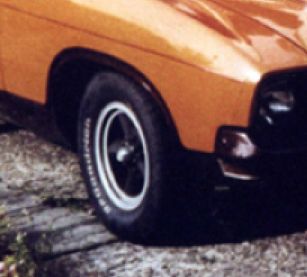
And here is a close up of the wheel. |
|||||||||||||||||||||||||
 |
|||||||||||||||||||||||||
|
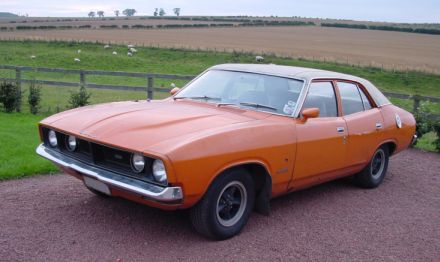
And John’s six cylinder, three speed manual XB Falcon 500, as bought. |
|||||||||||||||||||||||||
 |
|||||||||||||||||||||||||
|
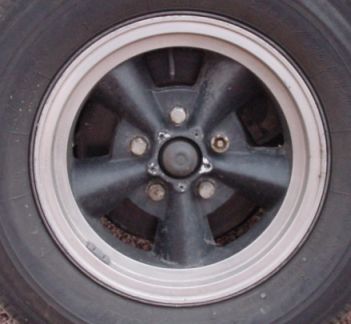
And a close up of a wheel from the car. |
|||||||||||||||||||||||||
 |
|||||||||||||||||||||||||
|
Interesting that both U.K. wheels above have had their rough cast alloy section painted black, as opposed to grey. |
|||||||||||||||||||||||||
|
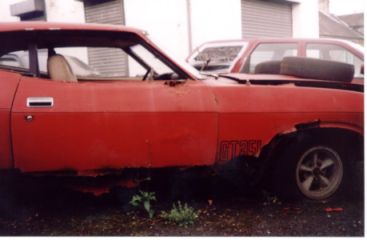
However, in the case of the infamous Scottish GTs |
|||||||||||||||||||||||||
 |
|||||||||||||||||||||||||
|
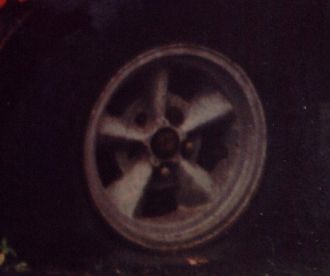
They are still grey, although, they have been outside a long time. |
|||||||||||||||||||||||||
 |
|||||||||||||||||||||||||
|
|
|
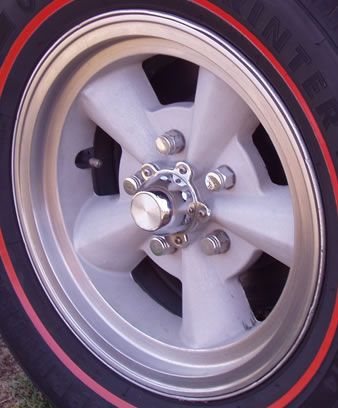
And here is what they should look like when cared for, beautiful rough cast alloy and polished steel rims. |
 |
||||||||||||||||||||||||||||
|
|
|
|
|
|
|
|
|
|
|
|
|
|
|
|
|
|
|
|
|
|
|
|
|
|
|
|
|
|
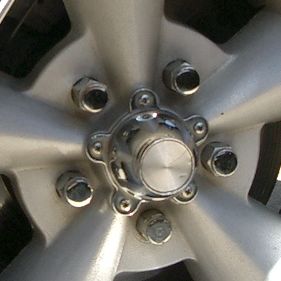
Note the recessed nut to accomodate the taper, and the flat ‘top’ to the nut. |
||||||||||||||||||||||||||||
 |
||||||||||||||||||||||||||||
|
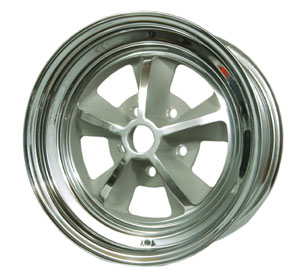
Mentioned above was the sometime comparison and confusion of the Australian Sports wheel with the 69/70 Shelby five spoke wheel. Here is a photo of the all alloy Shelby wheel. |
||||||||||||||||||||||||||||
 |
||||||||||||||||||||||||||||
|
Apart from being 15 x 7inch in size, there are noticable differences in the shape of the wheel. |
||||||||||||||||||||||||||||
|
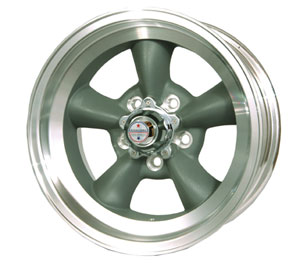
Okay, it may not be a Shelby wheel, but it surely is an American Racing Torque Thrust ‘D’ ? |
||||||||||||||||||||||||||||
 |
||||||||||||||||||||||||||||
|
Well, no. Torque Thrusts are an all alloy wheel. The shape of the spokes is different with the Sports Wheel being wider at the rim with straight spokes, whereas Torque Thrusts have a curve if you were to look at a cross section of the wheel and the centre disk of the Sports Wheel has a pronounced square edge to it whereas the centre disk on the Torque Thrusts curves inward. |
||||||||||||||||||||||||||||
|
Also mentioned above is the Sports Road Wheel changed to allow for the switch from small centre hubs to large centre hubs which happened in mid (most probably, July) 1975 I am indebted to Mark, the Falcon GT Club of Australia historian, for pointing this out and for providing the following illustrative photos. |
||||||||||||||||||||||||||||
|
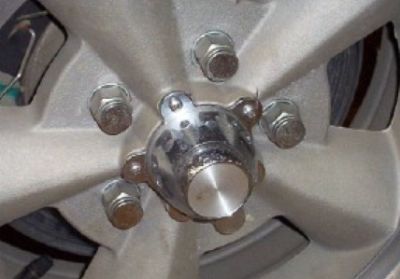
This is the early small hub wheel. Note that the hub section is straight where it runs from the flat that the centre cap screws onto the hub to the flat, centre disk that the wheel nuts bolt through. |
||||||||||||||||||||||||||||
 |
||||||||||||||||||||||||||||
|
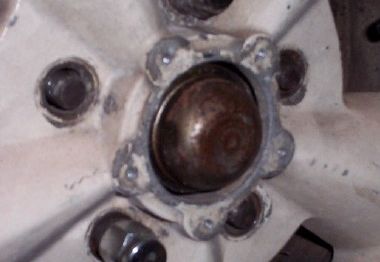
The later large centre hub wheels have a noticable ‘step’ in this area where extra metal was added to the hub - best seen when comparing the relationship between the ‘shelves’ for the centre cap screws and the start of the spokes - and the presence of the ‘step’ itself, as seen here. |
||||||||||||||||||||||||||||
 |
||||||||||||||||||||||||||||
|
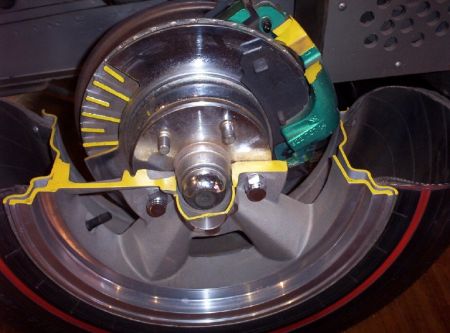
Here is a beautifully realised cross-section of an early Sports Road Wheel. |
||||||||||||||||||||||||||||
 |
||||||||||||||||||||||||||||
|
This shows the realationship between the small hub and the centre cap, but also illustrates the division between the alloy centre section of the wheel, the steel rim, and how they join together. |
||||||||||||||||||||||||||||
|
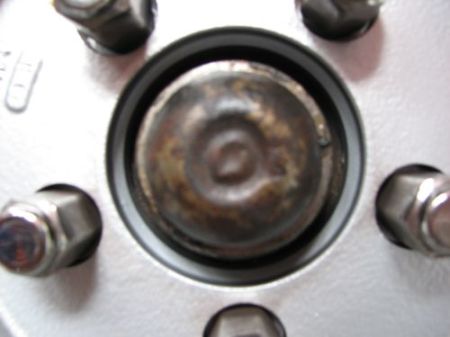
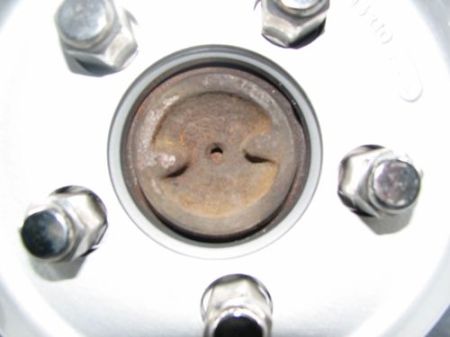
As a further illustration of the small hub/large hub inter-relationship, here are large hub sports wheels on a small hub front spindle and rear axle. |
||||||||||||||||||||||||||||
 |
||||||||||||||||||||||||||||
 |
||||||||||||||||||||||||||||
|
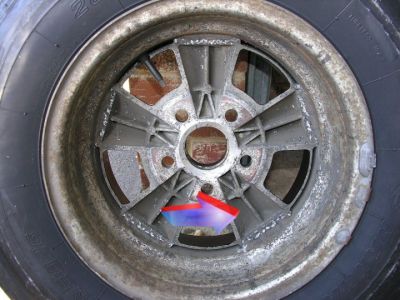
Here is the rear of the Sports Road wheel, showing the rather intricate construction of the centre and spokes. This is a large hub wheel. |
||||||||||||||||||||||||||||
 |
||||||||||||||||||||||||||||
|
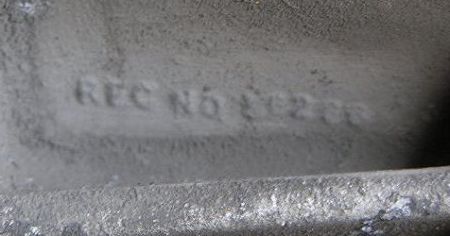
Arrowed are these markings. |
||||||||||||||||||||||||||||
 |
||||||||||||||||||||||||||||
|
Whatever they mean. |
||||||||||||||||||||||||||||
|
|
|
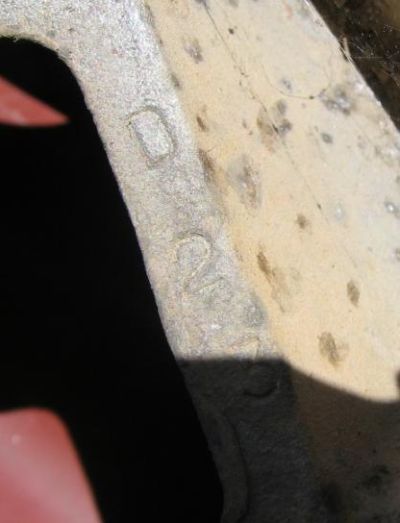
Also seen on the rear of large hub Sports wheels are these stampings on the edge of one of the five spokes - some form of date code perhaps ? |
|
|
|
|
|
|
 |
|||||
|
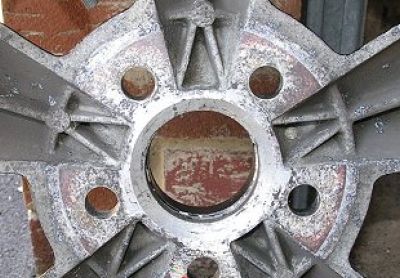
Here is a close up of the centre of the wheel, showing the step to allow for the larger hub. |
|||||
 |
|||||
|
|
|
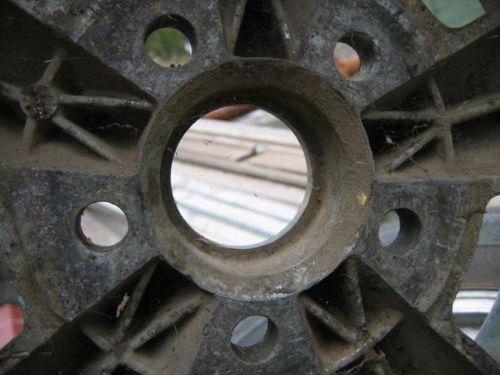
And another close-up. |
|
 |
|
|
|
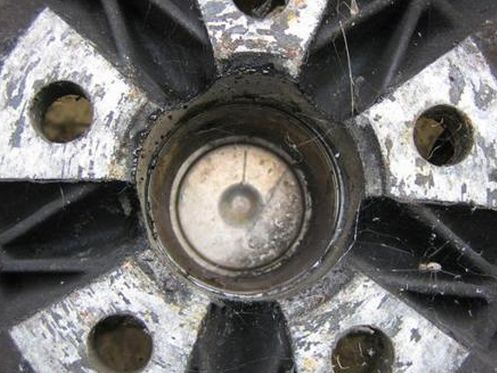
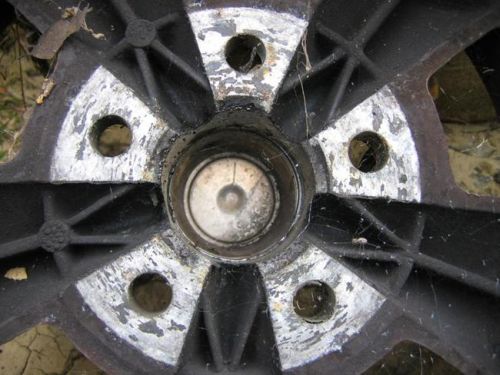
And compare with the rear of the small centre wheel, below. |
|
|
|
|
|
|
|
|
|
|
|
|
|
|
|
|
|
|
|
|
|
|
|
|
|
|
|
|
|
|
|
|
|
|
|
|
|
|
|
|
|
|
|
|
|
|
|
|
|
|
|
|
|
|
|
|
|
|
|
|
|
|
|
|
|
|
|
|
|
|
|
|
|
|
|
|
|
|
|
|
|
|
|
|
|
|
|
|
|
|
|
|
|
|
|
|
|
|
|
|
|
|
|
|
|
|
|
|
|
|
|
|
|
|
|
|
|
|
|
|
|
|
|
|
|
|
|
|
|
|
|
|
|
 |
||||||||||||||||||||||||||||||||||||||||||||||||||||||||||||||||||||||||||||||||||||||||||||||||||||||||||||||||||||||||||||||||||||
|
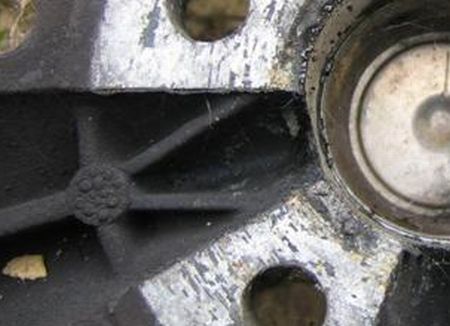
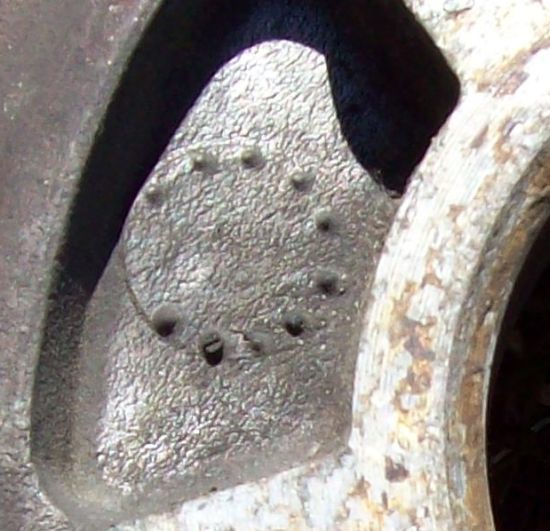
It is also worth showing that between the five main spokes, there is a lattice work of smaller support spokes, and at their intersection on some of the them, there is a circle with raised dots on it. No idea what these dots represent, but it may be a similar means of date coding the wheels to that featured with Globe wheels - featured next - or it may just mean nothing at all. |
||||||||||||||||||||||||||||||||||||||||||||||||||||||||||||||||||||||||||||||||||||||||||||||||||||||||||||||||||||||||||||||||||||
 |
||||||||||||||||||||||||||||||||||||||||||||||||||||||||||||||||||||||||||||||||||||||||||||||||||||||||||||||||||||||||||||||||||||
 |
||||||||||||||||||||||||||||||||||||||||||||||||||||||||||||||||||||||||||||||||||||||||||||||||||||||||||||||||||||||||||||||||||||
|
Somewhere in the seventies, the Sports Road wheel acquired a reputation for cracking. This may have been a result of confusion with the infamous riveted Kelsey Hayes wheels but, for whatever reason, the Sports Road wheels fell out of favour, although, they could have suffered in comparison with the following. |
||||||||||||||||||||||||||||||||||||||||||||||||||||||||||||||||||||||||||||||||||||||||||||||||||||||||||||||||||||||||||||||||||||
|
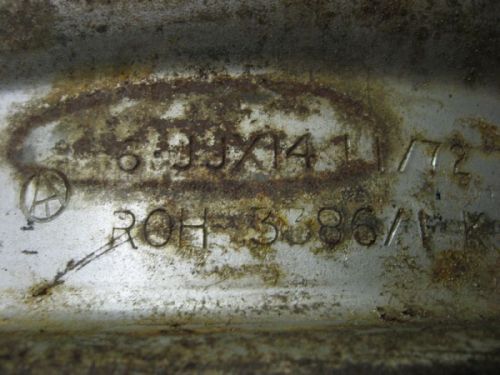
Here are the markings stamped in the inner rim of a Sports wheel: |
||||||||||||||||||||||||||||||||||||||||||||||||||||||||||||||||||||||||||||||||||||||||||||||||||||||||||||||||||||||||||||||||||||
 |
||||||||||||||||||||||||||||||||||||||||||||||||||||||||||||||||||||||||||||||||||||||||||||||||||||||||||||||||||||||||||||||||||||
|
These are dated ‘11/72’ and are the early small hub version. |
||||||||||||||||||||||||||||||||||||||||||||||||||||||||||||||||||||||||||||||||||||||||||||||||||||||||||||||||||||||||||||||||||||
|
Back to contents |
||||||||||||||||||||||||||||||||||||||||||||||||||||||||||||||||||||||||||||||||||||||||||||||||||||||||||||||||||||||||||||||||||||
|
The Bathurst Globe |
||||||||||||||||||||||||||||||||||||||||||||||||||||||||||||||||||||||||||||||||||||||||||||||||||||||||||||||||||||||||||||||||||||
 |
||||||||||||||||||||||||||||||||||||||||||||||||||||||||||||||||||||||||||||||||||||||||||||||||||||||||||||||||||||||||||||||||||||
|
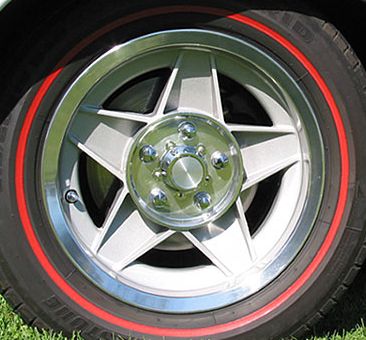
Among Australian Ford fans, this wheel is probably the most admired, sought after and possibly misunderstood wheel of all. Hopefully, we can unravel some of the mystery. |
||||||||||||||||||||||||||||||||||||||||||||||||||||||||||||||||||||||||||||||||||||||||||||||||||||||||||||||||||||||||||||||||||||
|
The Bathurst Globe wheel was originally designed and produced by Globe Products of South Australia who were contracted to produce 200 sets to fit to the XA GTHO Phase4 Falcon, which was to be the basis for Ford’s continuing onslaught in the touring car wars in Australia in 1972. However, when the ‘supercar’ hysteria broke out, and the Phase4 was cancelled, Ford were left with the 200 sets. They were also left with no where else to go in their racing program but back to using the XY based Phase3 as their race car. This, of course, resulted in the appearance that Ford, while selling XA’s from their showrooms, were racing ‘last year’s car’. In an attempt to keep the Phase3 competitive, Ford gave away the 200 sets of wheels to Phase3 owners, so that they could be homologated for use in late 1972 in XY GTHO Phase3 race cars. There were good reasons for this desire to use the Bathurst Globes. They were 7 x 15 inch wheels, one inch wider and one inch taller than the steel wheels used in the Phase3’s previous racing season. They were stronger than the steel wheels, they contributed to far better cooling of the car’s brakes, and they allowed access to a much wider range of racing tyre in 15 inch diameter, while also allowing road users to access lower profile - 60 series - street rubber. |
||||||||||||||||||||||||||||||||||||||||||||||||||||||||||||||||||||||||||||||||||||||||||||||||||||||||||||||||||||||||||||||||||||
|
So, some points about the Bathurst Globe. |
||||||||||||||||||||||||||||||||||||||||||||||||||||||||||||||||||||||||||||||||||||||||||||||||||||||||||||||||||||||||||||||||||||
|
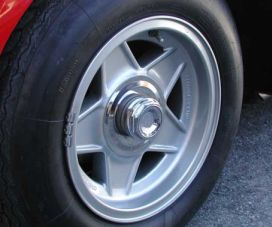
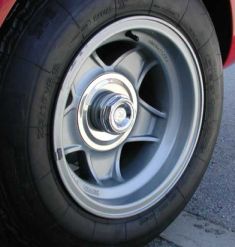
The actual wheel, as manufactured by Globe products, was originally known by its model name, Daytona. Why ? Well, a look at the wheels fitted to Ferrari’s Daytona car shows from where the design was ‘inspired’. |
||||||||||||||||||||||||||||||||||||||||||||||||||||||||||||||||||||||||||||||||||||||||||||||||||||||||||||||||||||||||||||||||||||
|
Ferrari Daytona front wheel. |
||||||||||||||||||||||||||||||||||||||||||||||||||||||||||||||||||||||||||||||||||||||||||||||||||||||||||||||||||||||||||||||||||||
 |
||||||||||||||||||||||||||||||||||||||||||||||||||||||||||||||||||||||||||||||||||||||||||||||||||||||||||||||||||||||||||||||||||||
|
Ferrari Daytona rear wheel. |
||||||||||||||||||||||||||||||||||||||||||||||||||||||||||||||||||||||||||||||||||||||||||||||||||||||||||||||||||||||||||||||||||||
 |
||||||||||||||||||||||||||||||||||||||||||||||||||||||||||||||||||||||||||||||||||||||||||||||||||||||||||||||||||||||||||||||||||||
|
However, as time passed, and inspired by their introduction to the Australian motoring public by their appearance at and association with the 1972 Bathurst race, and Allan Moffat’s XY GTHO Phase3 Falcon, they have become, almost universally, ‘Bathurst Globes’ and the Daytona association has been largely forgotten. |
||||||||||||||||||||||||||||||||||||||||||||||||||||||||||||||||||||||||||||||||||||||||||||||||||||||||||||||||||||||||||||||||||||
|
So, some Bathurst Globe facts. |
||||||||||||||||||||||||||||||||||||||||||||||||||||||||||||||||||||||||||||||||||||||||||||||||||||||||||||||||||||||||||||||||||||
|
Ford only ever offered the Bathurst Globes from the factory or through dealers as 7 x 15 inch wheels, throughout its life as a Ford offered product. |
||||||||||||||||||||||||||||||||||||||||||||||||||||||||||||||||||||||||||||||||||||||||||||||||||||||||||||||||||||||||||||||||||||
|
Bathurst Globes were offered for fitment to several cars. The first giveaway batch that went on to XY’s. The second batch were offered as an option - Option 54 - for fitting to XB’s. They were fitted as standard fitment to all of the 400 XC Cobra’s. And they were fitted as standard on XD ESP’s. |
||||||||||||||||||||||||||||||||||||||||||||||||||||||||||||||||||||||||||||||||||||||||||||||||||||||||||||||||||||||||||||||||||||
|
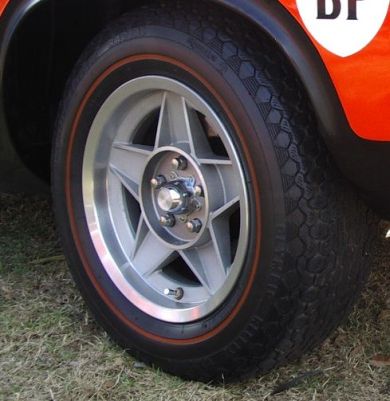
Bathurst Globes fitted to XY’s can be identified by the small centre hub hole of 2.5 inch diameter. This small hole is covered with a smaller, in comparison with all the later Globes, chromed centre cap with a spun alloy centre held fixed to the wheel with five screws very similar, if not the same as, the Sports Road Wheel described above. |
||||||||||||||||||||||||||||||||||||||||||||||||||||||||||||||||||||||||||||||||||||||||||||||||||||||||||||||||||||||||||||||||||||
 |
||||||||||||||||||||||||||||||||||||||||||||||||||||||||||||||||||||||||||||||||||||||||||||||||||||||||||||||||||||||||||||||||||||
|
The small centre Bathurst Globe, here fitted to one of the three XA Phase4 race GTs. |
||||||||||||||||||||||||||||||||||||||||||||||||||||||||||||||||||||||||||||||||||||||||||||||||||||||||||||||||||||||||||||||||||||
 |
||||||||||||||||||||||||||||||||||||||||||||||||||||||||||||||||||||||||||||||||||||||||||||||||||||||||||||||||||||||||||||||||||||
|
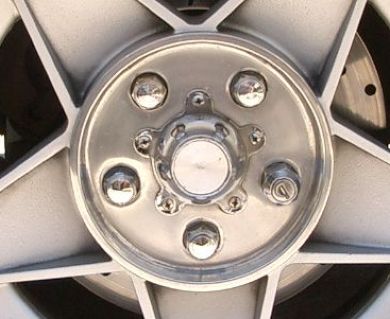
The small centre Globe centre cap. |
||||||||||||||||||||||||||||||||||||||||||||||||||||||||||||||||||||||||||||||||||||||||||||||||||||||||||||||||||||||||||||||||||||
|
Note that the cap is ‘domed’ in profile with a small flat centre boss, but quite large prominent ‘tabs’ where the screws attach. |
||||||||||||||||||||||||||||||||||||||||||||||||||||||||||||||||||||||||||||||||||||||||||||||||||||||||||||||||||||||||||||||||||||
|
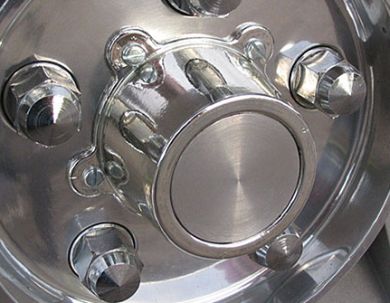
Later Bathhurst Globes, those offered as Option 54 on XBs, and those fitted to XC Cobras, all had the larger - 2.75 inch - centre hub holes, and required a larger centre cap with a much less ‘domed’ appearance and smaller screw ‘tabs’. |
||||||||||||||||||||||||||||||||||||||||||||||||||||||||||||||||||||||||||||||||||||||||||||||||||||||||||||||||||||||||||||||||||||
 |
||||||||||||||||||||||||||||||||||||||||||||||||||||||||||||||||||||||||||||||||||||||||||||||||||||||||||||||||||||||||||||||||||||
|
The later Globe cap. |
||||||||||||||||||||||||||||||||||||||||||||||||||||||||||||||||||||||||||||||||||||||||||||||||||||||||||||||||||||||||||||||||||||
|
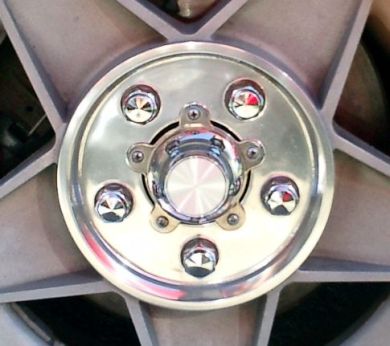
So, what happens if you fit an early cap to a later wheel ? |
||||||||||||||||||||||||||||||||||||||||||||||||||||||||||||||||||||||||||||||||||||||||||||||||||||||||||||||||||||||||||||||||||||
 |
||||||||||||||||||||||||||||||||||||||||||||||||||||||||||||||||||||||||||||||||||||||||||||||||||||||||||||||||||||||||||||||||||||
|
You are left with a gap around the cap caused by difference in screw ‘tab’ size. |
||||||||||||||||||||||||||||||||||||||||||||||||||||||||||||||||||||||||||||||||||||||||||||||||||||||||||||||||||||||||||||||||||||
|
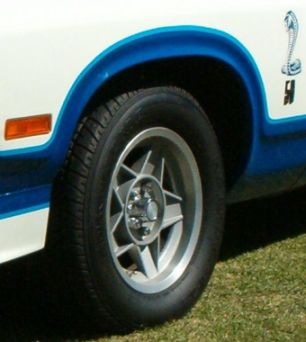
These Option 54, XC Cobra and the early 72 XY Globes, are also known as the ‘flat lip’ or ‘flat rim’ Globes. |
||||||||||||||||||||||||||||||||||||||||||||||||||||||||||||||||||||||||||||||||||||||||||||||||||||||||||||||||||||||||||||||||||||
|
What do we mean by that ? |
||||||||||||||||||||||||||||||||||||||||||||||||||||||||||||||||||||||||||||||||||||||||||||||||||||||||||||||||||||||||||||||||||||
|
Take a look at the following photograph of a Bathurst Globe fitted to an XB GT. |
||||||||||||||||||||||||||||||||||||||||||||||||||||||||||||||||||||||||||||||||||||||||||||||||||||||||||||||||||||||||||||||||||||
|
||||||||||||||||||||||||||||||||||||||||||||||||||||||||||||||||||||||||||||||||||||||||||||||||||||||||||||||||||||||||||||||||||||
|
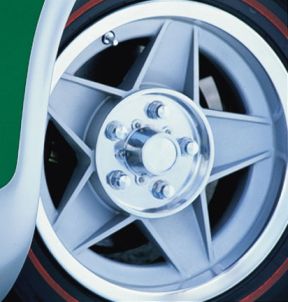
Note that there is no lip to the outer circumference of the rim. The polished area runs right out to the edge of the wheel by the tyre. Note also the large diameter centre cap held on by the five screws. |
||||||||||||||||||||||||||||||||||||||||||||||||||||||||||||||||||||||||||||||||||||||||||||||||||||||||||||||||||||||||||||||||||||
|
Another view. |
||||||||||||||||||||||||||||||||||||||||||||||||||||||||||||||||||||||||||||||||||||||||||||||||||||||||||||||||||||||||||||||||||||
 |
||||||||||||||||||||||||||||||||||||||||||||||||||||||||||||||||||||||||||||||||||||||||||||||||||||||||||||||||||||||||||||||||||||
|
The XC Cobra |
||||||||||||||||||||||||||||||||||||||||||||||||||||||||||||||||||||||||||||||||||||||||||||||||||||||||||||||||||||||||||||||||||||
 |
||||||||||||||||||||||||||||||||||||||||||||||||||||||||||||||||||||||||||||||||||||||||||||||||||||||||||||||||||||||||||||||||||||
|
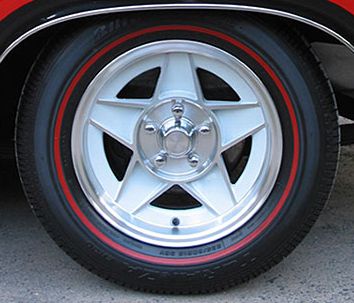
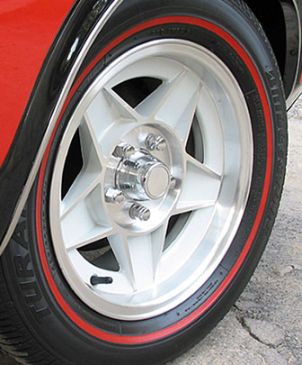
Bathurst Globes fitted to XD ESP’s have a prominent lip to the edge of the rim. This has been called the ‘safety rim’. Take a look at the following picture. |
||||||||||||||||||||||||||||||||||||||||||||||||||||||||||||||||||||||||||||||||||||||||||||||||||||||||||||||||||||||||||||||||||||
 |
||||||||||||||||||||||||||||||||||||||||||||||||||||||||||||||||||||||||||||||||||||||||||||||||||||||||||||||||||||||||||||||||||||
|
Note that the XD style Globes have push through centre caps which are not held on by any screws. |
||||||||||||||||||||||||||||||||||||||||||||||||||||||||||||||||||||||||||||||||||||||||||||||||||||||||||||||||||||||||||||||||||||
|
The lipped rim is more noticeable here. |
||||||||||||||||||||||||||||||||||||||||||||||||||||||||||||||||||||||||||||||||||||||||||||||||||||||||||||||||||||||||||||||||||||
 |
||||||||||||||||||||||||||||||||||||||||||||||||||||||||||||||||||||||||||||||||||||||||||||||||||||||||||||||||||||||||||||||||||||
|
So, to sum up, there are three types of Ford offered Globes. |
||||||||||||||||||||||||||||||||||||||||||||||||||||||||||||||||||||||||||||||||||||||||||||||||||||||||||||||||||||||||||||||||||||
|
The 72 Globe, small centre hole, small screw on cap, and flat rim. |
||||||||||||||||||||||||||||||||||||||||||||||||||||||||||||||||||||||||||||||||||||||||||||||||||||||||||||||||||||||||||||||||||||
|
The 75-76 XB Option 54 and XC Cobra Globe, large centre hole, large screw on cap, flat rim. |
||||||||||||||||||||||||||||||||||||||||||||||||||||||||||||||||||||||||||||||||||||||||||||||||||||||||||||||||||||||||||||||||||||
|
The 82 XD ESP Globe, large centre hole, push through cap, lipped rim. |
||||||||||||||||||||||||||||||||||||||||||||||||||||||||||||||||||||||||||||||||||||||||||||||||||||||||||||||||||||||||||||||||||||
|
Were that it all that easy ? |
||||||||||||||||||||||||||||||||||||||||||||||||||||||||||||||||||||||||||||||||||||||||||||||||||||||||||||||||||||||||||||||||||||
|
With the popularity of the Globe, various other manufacturers jumped into the market with Globe Daytona lookalikes. R.O.H, Performance, Cheviet, C.S.A, Challenger and Simmons all produced similar wheels, and offered them in varying sizes, right up to 10 x 15s. |
||||||||||||||||||||||||||||||||||||||||||||||||||||||||||||||||||||||||||||||||||||||||||||||||||||||||||||||||||||||||||||||||||||
|
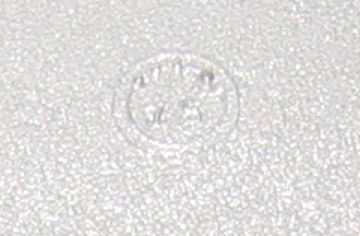
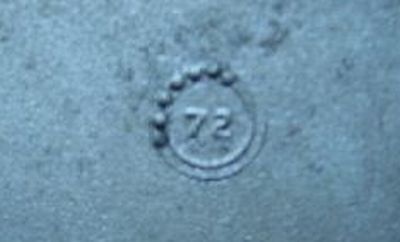
But genuine Bathurst Globes were only ever available in 7 x 15, as fitted by Ford, and 6 x 14 and 7 x 14, for the aftermarket. So, how can you tell ? Real Globes have the date cast into the back of the wheel, surrounded by a circle of dots, each dot representing the month of manufacture. 6 dots equals June, etc. |
||||||||||||||||||||||||||||||||||||||||||||||||||||||||||||||||||||||||||||||||||||||||||||||||||||||||||||||||||||||||||||||||||||
 |
||||||||||||||||||||||||||||||||||||||||||||||||||||||||||||||||||||||||||||||||||||||||||||||||||||||||||||||||||||||||||||||||||||
|
This is tricky to see, but if you concentrate you can see the numerals ‘75’ for 1975 and four dots for April in this photo of the reverse of a real Globe. This is on the rear of one of the spokes. |
||||||||||||||||||||||||||||||||||||||||||||||||||||||||||||||||||||||||||||||||||||||||||||||||||||||||||||||||||||||||||||||||||||
|
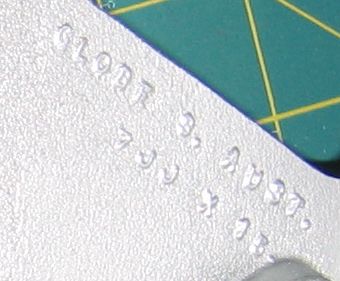
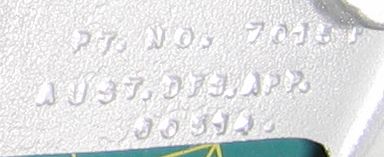
There are other castings on the rear of the Globe. |
||||||||||||||||||||||||||||||||||||||||||||||||||||||||||||||||||||||||||||||||||||||||||||||||||||||||||||||||||||||||||||||||||||
 |
||||||||||||||||||||||||||||||||||||||||||||||||||||||||||||||||||||||||||||||||||||||||||||||||||||||||||||||||||||||||||||||||||||
|
Manufacturer and wheel size. |
||||||||||||||||||||||||||||||||||||||||||||||||||||||||||||||||||||||||||||||||||||||||||||||||||||||||||||||||||||||||||||||||||||
 |
||||||||||||||||||||||||||||||||||||||||||||||||||||||||||||||||||||||||||||||||||||||||||||||||||||||||||||||||||||||||||||||||||||
|
Part number and some other codes. |
||||||||||||||||||||||||||||||||||||||||||||||||||||||||||||||||||||||||||||||||||||||||||||||||||||||||||||||||||||||||||||||||||||
 |
||||||||||||||||||||||||||||||||||||||||||||||||||||||||||||||||||||||||||||||||||||||||||||||||||||||||||||||||||||||||||||||||||||
|
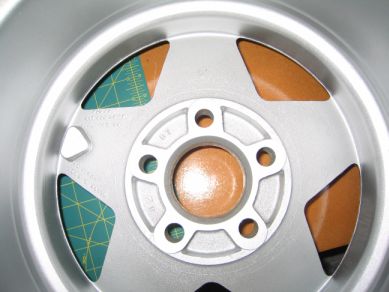
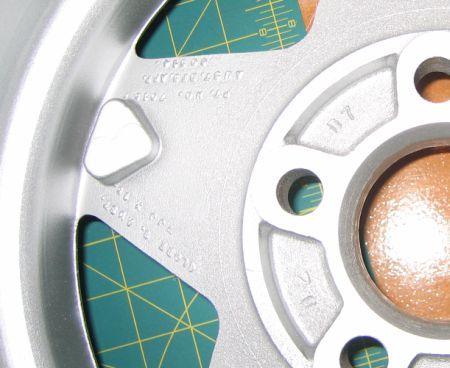
The rear of the Globe wheel. Note the date code is in the centre of the top spoke, the size is at the bottom edge of the left hand spoke and the part number is at the top of the left hand spoke. |
||||||||||||||||||||||||||||||||||||||||||||||||||||||||||||||||||||||||||||||||||||||||||||||||||||||||||||||||||||||||||||||||||||
 |
||||||||||||||||||||||||||||||||||||||||||||||||||||||||||||||||||||||||||||||||||||||||||||||||||||||||||||||||||||||||||||||||||||
|
Late real Globe wheels have the raised triangular shaped boss on the wheel as seen above on the left hand spoke. |
||||||||||||||||||||||||||||||||||||||||||||||||||||||||||||||||||||||||||||||||||||||||||||||||||||||||||||||||||||||||||||||||||||
|
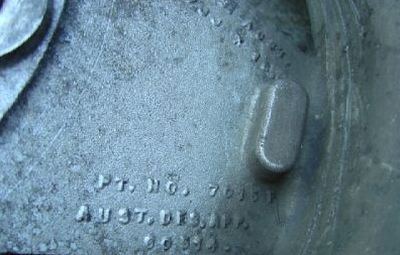
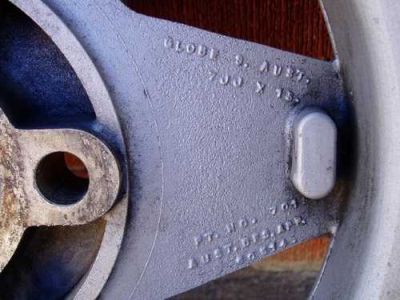
Early real Globe wheels have a oval boss, below. |
||||||||||||||||||||||||||||||||||||||||||||||||||||||||||||||||||||||||||||||||||||||||||||||||||||||||||||||||||||||||||||||||||||
 |
||||||||||||||||||||||||||||||||||||||||||||||||||||||||||||||||||||||||||||||||||||||||||||||||||||||||||||||||||||||||||||||||||||
 |
||||||||||||||||||||||||||||||||||||||||||||||||||||||||||||||||||||||||||||||||||||||||||||||||||||||||||||||||||||||||||||||||||||
|
And the all important date casting. |
||||||||||||||||||||||||||||||||||||||||||||||||||||||||||||||||||||||||||||||||||||||||||||||||||||||||||||||||||||||||||||||||||||
 |
||||||||||||||||||||||||||||||||||||||||||||||||||||||||||||||||||||||||||||||||||||||||||||||||||||||||||||||||||||||||||||||||||||
|
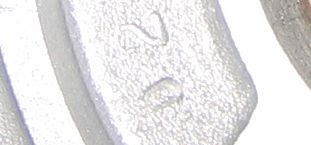
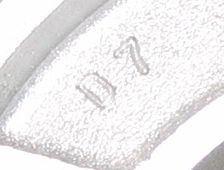
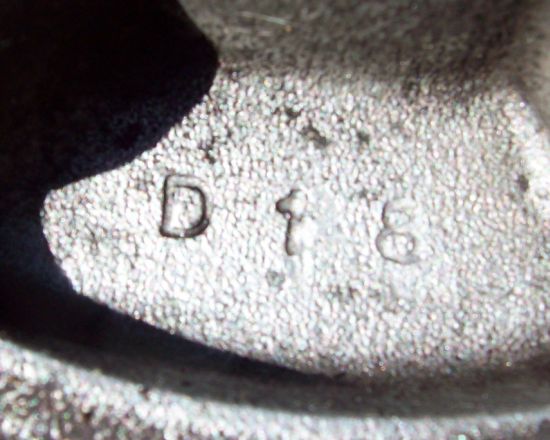
It is also worth noting that there are two additional cast codes on these wheels which I have no information about. |
||||||||||||||||||||||||||||||||||||||||||||||||||||||||||||||||||||||||||||||||||||||||||||||||||||||||||||||||||||||||||||||||||||
 |
||||||||||||||||||||||||||||||||||||||||||||||||||||||||||||||||||||||||||||||||||||||||||||||||||||||||||||||||||||||||||||||||||||
|
‘02’ in the seven o’clock recess. |
||||||||||||||||||||||||||||||||||||||||||||||||||||||||||||||||||||||||||||||||||||||||||||||||||||||||||||||||||||||||||||||||||||
 |
||||||||||||||||||||||||||||||||||||||||||||||||||||||||||||||||||||||||||||||||||||||||||||||||||||||||||||||||||||||||||||||||||||
|
And ‘D7’ in the eleven o’clock recess. |
||||||||||||||||||||||||||||||||||||||||||||||||||||||||||||||||||||||||||||||||||||||||||||||||||||||||||||||||||||||||||||||||||||
|
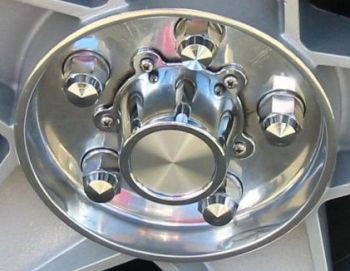
The large centre cap. |
||||||||||||||||||||||||||||||||||||||||||||||||||||||||||||||||||||||||||||||||||||||||||||||||||||||||||||||||||||||||||||||||||||
 |
||||||||||||||||||||||||||||||||||||||||||||||||||||||||||||||||||||||||||||||||||||||||||||||||||||||||||||||||||||||||||||||||||||
|
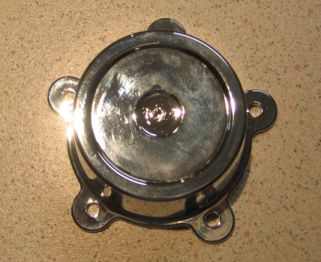
This is the centre cap as fitted by Ford with it’s spun alloy centre disk. |
||||||||||||||||||||||||||||||||||||||||||||||||||||||||||||||||||||||||||||||||||||||||||||||||||||||||||||||||||||||||||||||||||||
 |
||||||||||||||||||||||||||||||||||||||||||||||||||||||||||||||||||||||||||||||||||||||||||||||||||||||||||||||||||||||||||||||||||||
|
This is the cap without its spun centre. |
||||||||||||||||||||||||||||||||||||||||||||||||||||||||||||||||||||||||||||||||||||||||||||||||||||||||||||||||||||||||||||||||||||
|
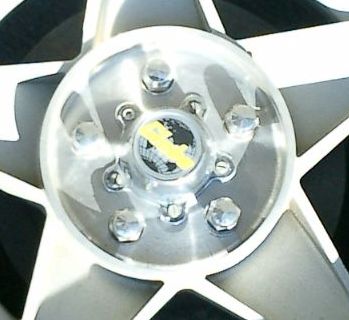
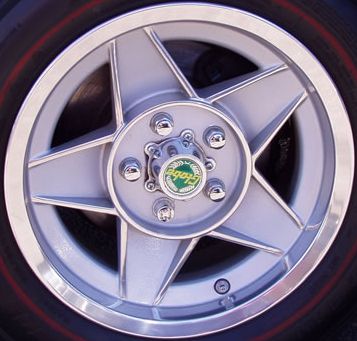
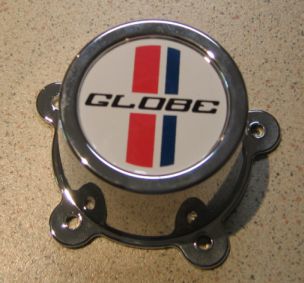
But they were not all like that. Centre caps fitted to aftermarket Globe copies by Tyre and Wheel retailers came with several variations in cap. |
||||||||||||||||||||||||||||||||||||||||||||||||||||||||||||||||||||||||||||||||||||||||||||||||||||||||||||||||||||||||||||||||||||
|
Black with the letters ‘Globe’ in gold. |
||||||||||||||||||||||||||||||||||||||||||||||||||||||||||||||||||||||||||||||||||||||||||||||||||||||||||||||||||||||||||||||||||||
 |
||||||||||||||||||||||||||||||||||||||||||||||||||||||||||||||||||||||||||||||||||||||||||||||||||||||||||||||||||||||||||||||||||||
|
Green with a gold wreath around the cap and the letters ‘Globe’ in gold. |
||||||||||||||||||||||||||||||||||||||||||||||||||||||||||||||||||||||||||||||||||||||||||||||||||||||||||||||||||||||||||||||||||||
 |
||||||||||||||||||||||||||||||||||||||||||||||||||||||||||||||||||||||||||||||||||||||||||||||||||||||||||||||||||||||||||||||||||||
|
White background, with black ‘Globe’ letters, and two vertical blue and red stripes. |
||||||||||||||||||||||||||||||||||||||||||||||||||||||||||||||||||||||||||||||||||||||||||||||||||||||||||||||||||||||||||||||||||||
 |
||||||||||||||||||||||||||||||||||||||||||||||||||||||||||||||||||||||||||||||||||||||||||||||||||||||||||||||||||||||||||||||||||||
|
Wheel nuts |
||||||||||||||||||||||||||||||||||||||||||||||||||||||||||||||||||||||||||||||||||||||||||||||||||||||||||||||||||||||||||||||||||||
|
Globes seem to have had two types of wheel nut. |
||||||||||||||||||||||||||||||||||||||||||||||||||||||||||||||||||||||||||||||||||||||||||||||||||||||||||||||||||||||||||||||||||||
|
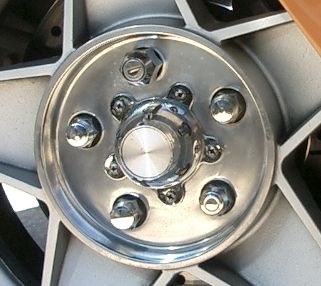
The first have recessed flats resulting in no visible washer, as below. |
||||||||||||||||||||||||||||||||||||||||||||||||||||||||||||||||||||||||||||||||||||||||||||||||||||||||||||||||||||||||||||||||||||
 |
||||||||||||||||||||||||||||||||||||||||||||||||||||||||||||||||||||||||||||||||||||||||||||||||||||||||||||||||||||||||||||||||||||
|
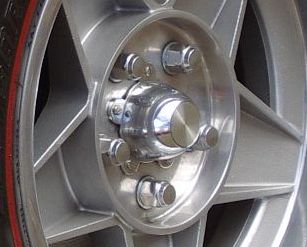
The second have more prominent flats that are quite easily seen. |
||||||||||||||||||||||||||||||||||||||||||||||||||||||||||||||||||||||||||||||||||||||||||||||||||||||||||||||||||||||||||||||||||||
 |
||||||||||||||||||||||||||||||||||||||||||||||||||||||||||||||||||||||||||||||||||||||||||||||||||||||||||||||||||||||||||||||||||||
 |
||||||||||||||||||||||||||||||||||||||||||||||||||||||||||||||||||||||||||||||||||||||||||||||||||||||||||||||||||||||||||||||||||||
|
The XD ESP Globes |
||||||||||||||||||||||||||||||||||||||||||||||||||||||||||||||||||||||||||||||||||||||||||||||||||||||||||||||||||||||||||||||||||||
|
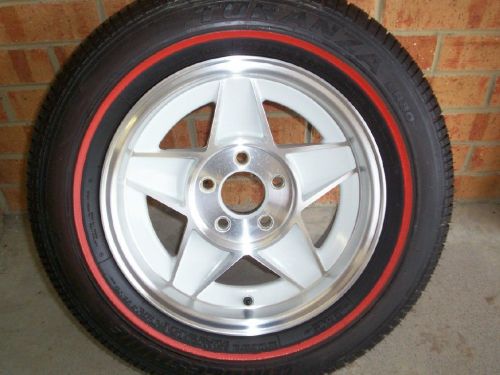
It was mentioned above that there was a second, later, version of the Globe wheel which was fitted to the XD ESP Falcon. These wheels had the lip at the edge of the rim, and have been called ‘safety rims’ due to this. |
||||||||||||||||||||||||||||||||||||||||||||||||||||||||||||||||||||||||||||||||||||||||||||||||||||||||||||||||||||||||||||||||||||
|
Here is one of the wheels. |
||||||||||||||||||||||||||||||||||||||||||||||||||||||||||||||||||||||||||||||||||||||||||||||||||||||||||||||||||||||||||||||||||||
 |
||||||||||||||||||||||||||||||||||||||||||||||||||||||||||||||||||||||||||||||||||||||||||||||||||||||||||||||||||||||||||||||||||||
|
And here are details of the rear of the wheels. |
||||||||||||||||||||||||||||||||||||||||||||||||||||||||||||||||||||||||||||||||||||||||||||||||||||||||||||||||||||||||||||||||||||
|
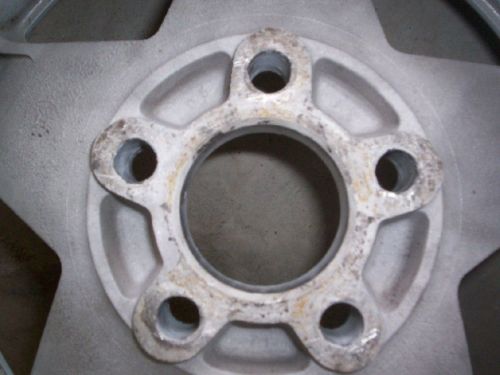
The hub casting. |
||||||||||||||||||||||||||||||||||||||||||||||||||||||||||||||||||||||||||||||||||||||||||||||||||||||||||||||||||||||||||||||||||||
 |
||||||||||||||||||||||||||||||||||||||||||||||||||||||||||||||||||||||||||||||||||||||||||||||||||||||||||||||||||||||||||||||||||||
|
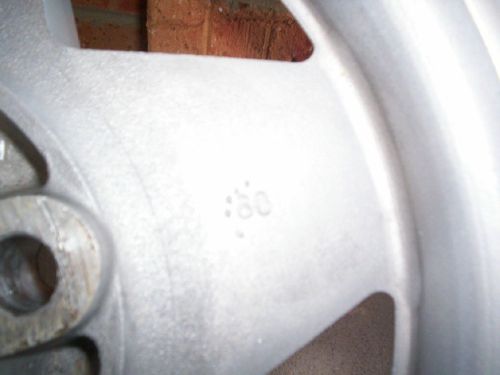
The date code. |
||||||||||||||||||||||||||||||||||||||||||||||||||||||||||||||||||||||||||||||||||||||||||||||||||||||||||||||||||||||||||||||||||||
 |
||||||||||||||||||||||||||||||||||||||||||||||||||||||||||||||||||||||||||||||||||||||||||||||||||||||||||||||||||||||||||||||||||||
|
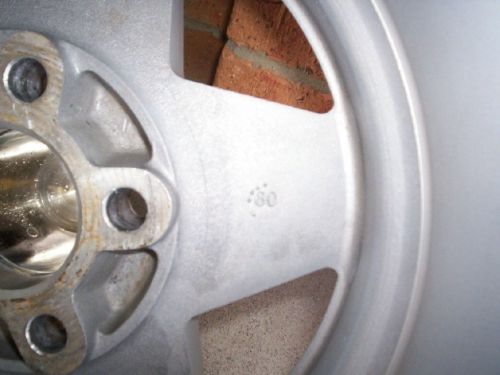
The push through centre cap. |
||||||||||||||||||||||||||||||||||||||||||||||||||||||||||||||||||||||||||||||||||||||||||||||||||||||||||||||||||||||||||||||||||||
 |
||||||||||||||||||||||||||||||||||||||||||||||||||||||||||||||||||||||||||||||||||||||||||||||||||||||||||||||||||||||||||||||||||||
|
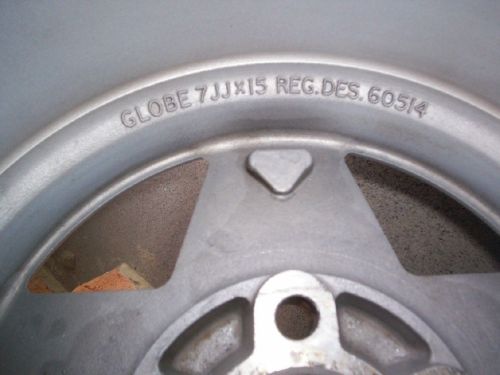
The markings and the raised triangle, as was used on the later XB/XC’s. Note the important ‘60514’ which shows they are genuine Ford wheels. |
||||||||||||||||||||||||||||||||||||||||||||||||||||||||||||||||||||||||||||||||||||||||||||||||||||||||||||||||||||||||||||||||||||
 |
||||||||||||||||||||||||||||||||||||||||||||||||||||||||||||||||||||||||||||||||||||||||||||||||||||||||||||||||||||||||||||||||||||
|
The non-Ford Globes. |
||||||||||||||||||||||||||||||||||||||||||||||||||||||||||||||||||||||||||||||||||||||||||||||||||||||||||||||||||||||||||||||||||||
|
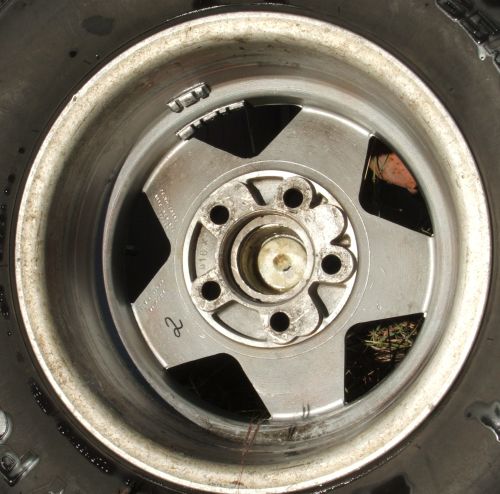
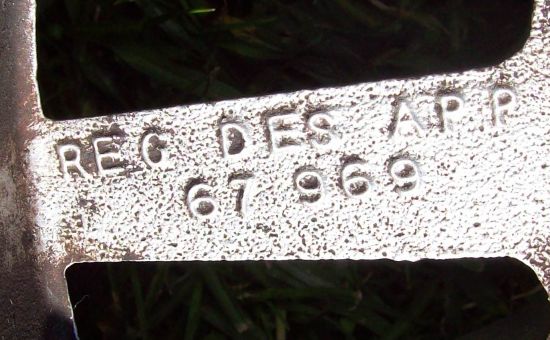
It was stated above that Ford fitted 7 x 15inch Globe wheels to their cars, and offered them over the counter in this size too. But Globe manufactured the wheels in two different sizes also, 6 x 14, and 7 x 14 inch. Here is the back of a 7 x 14inch wheel. |
||||||||||||||||||||||||||||||||||||||||||||||||||||||||||||||||||||||||||||||||||||||||||||||||||||||||||||||||||||||||||||||||||||
 |
||||||||||||||||||||||||||||||||||||||||||||||||||||||||||||||||||||||||||||||||||||||||||||||||||||||||||||||||||||||||||||||||||||
|
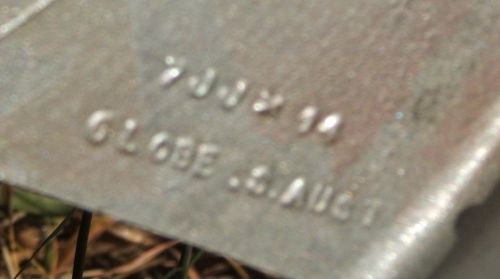
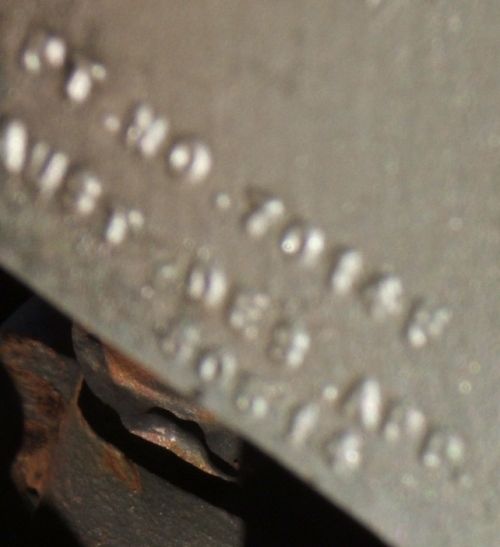
Notice the peculiar casting around the wheel stud holes, especially in comparison with the the ‘Ford’ Globes above. My assumption is that this allowed Globe to cast up the wheel from one mould, but they could then drill the wheel stud holes in different locations to allow fitting to different, non-Ford, cars. Here are the markings. |
||||||||||||||||||||||||||||||||||||||||||||||||||||||||||||||||||||||||||||||||||||||||||||||||||||||||||||||||||||||||||||||||||||
 |
||||||||||||||||||||||||||||||||||||||||||||||||||||||||||||||||||||||||||||||||||||||||||||||||||||||||||||||||||||||||||||||||||||
 |
||||||||||||||||||||||||||||||||||||||||||||||||||||||||||||||||||||||||||||||||||||||||||||||||||||||||||||||||||||||||||||||||||||
|
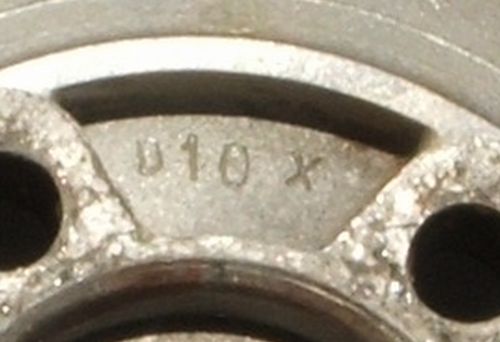
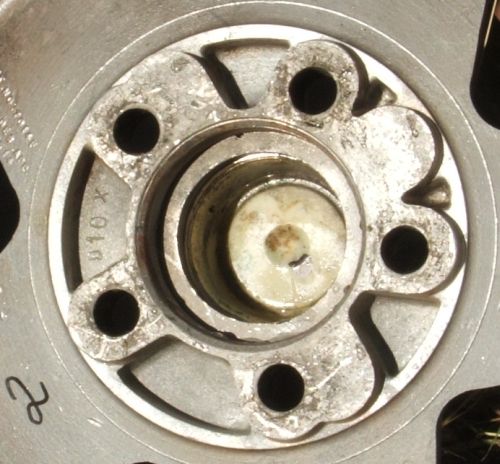
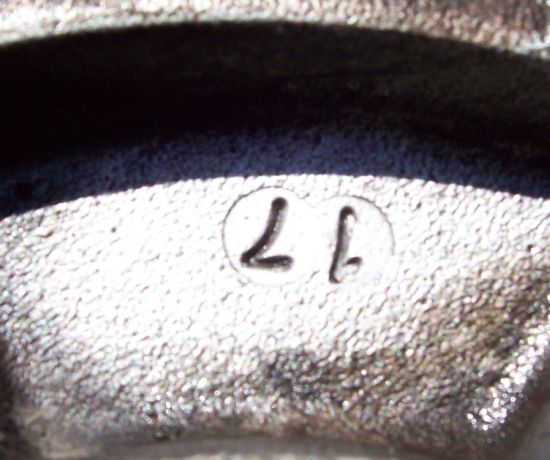
They follow very closely the markings shown earlier on the ‘Ford’ Globe, except the size is ‘7JJ x 14’ and the part number is ‘7014P’ and not ‘7015’. It is also worth noting that these Globes do not have the date casting on them, but the do have the strange, and so far unexplained, stamping in the hub, similar to the hub castings on the 7 x 15inch wheels. |
||||||||||||||||||||||||||||||||||||||||||||||||||||||||||||||||||||||||||||||||||||||||||||||||||||||||||||||||||||||||||||||||||||
 |
||||||||||||||||||||||||||||||||||||||||||||||||||||||||||||||||||||||||||||||||||||||||||||||||||||||||||||||||||||||||||||||||||||
|
The hub in close-up. |
||||||||||||||||||||||||||||||||||||||||||||||||||||||||||||||||||||||||||||||||||||||||||||||||||||||||||||||||||||||||||||||||||||
 |
||||||||||||||||||||||||||||||||||||||||||||||||||||||||||||||||||||||||||||||||||||||||||||||||||||||||||||||||||||||||||||||||||||
|
Thanks to Terry Carrol for these photos of the wheel. |
||||||||||||||||||||||||||||||||||||||||||||||||||||||||||||||||||||||||||||||||||||||||||||||||||||||||||||||||||||||||||||||||||||
|
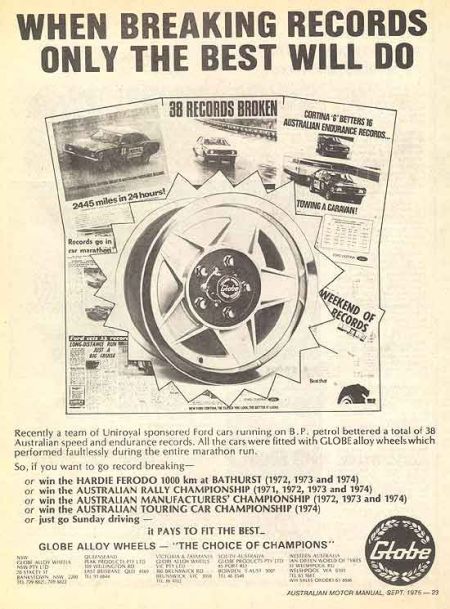
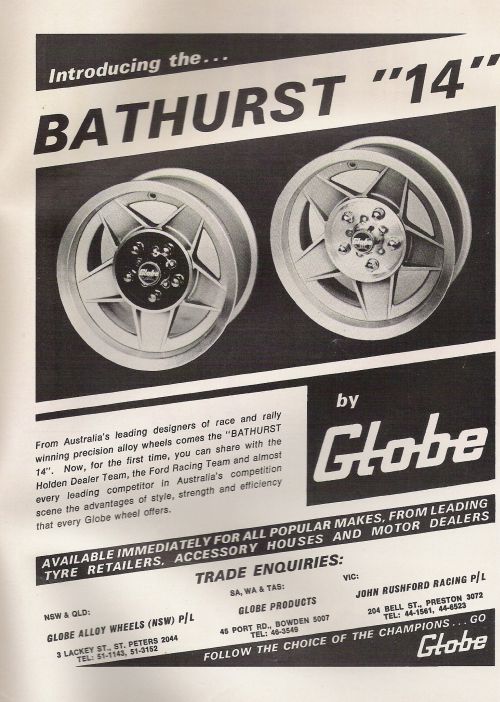
Globe advertised the wheels as well. |
||||||||||||||||||||||||||||||||||||||||||||||||||||||||||||||||||||||||||||||||||||||||||||||||||||||||||||||||||||||||||||||||||||
 |
||||||||||||||||||||||||||||||||||||||||||||||||||||||||||||||||||||||||||||||||||||||||||||||||||||||||||||||||||||||||||||||||||||
|
|
|
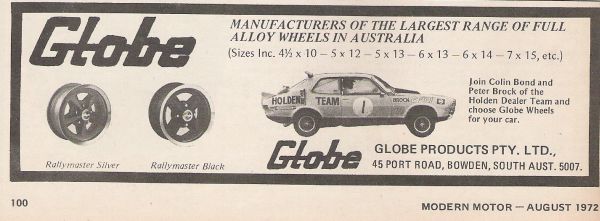
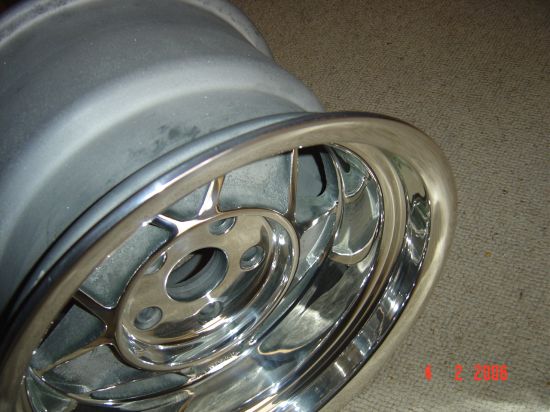
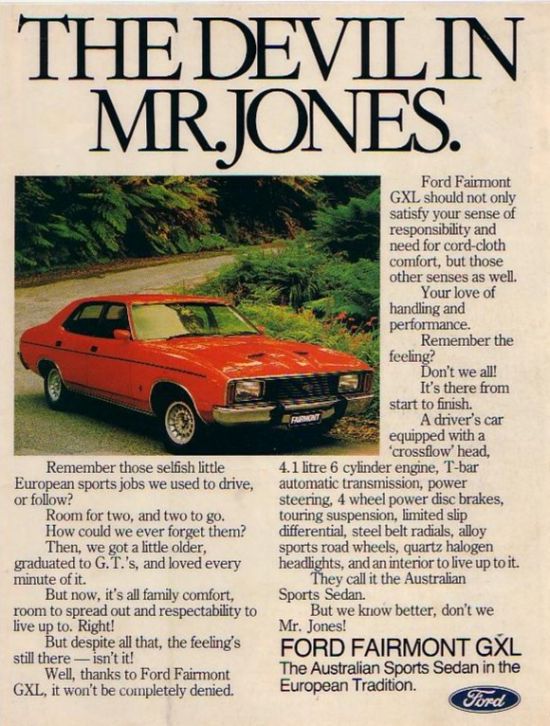
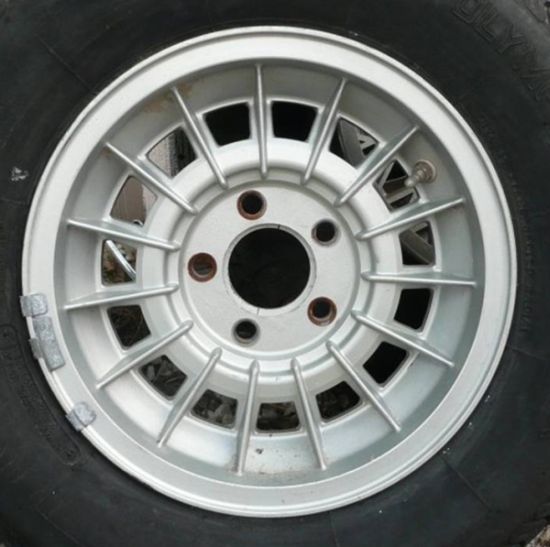
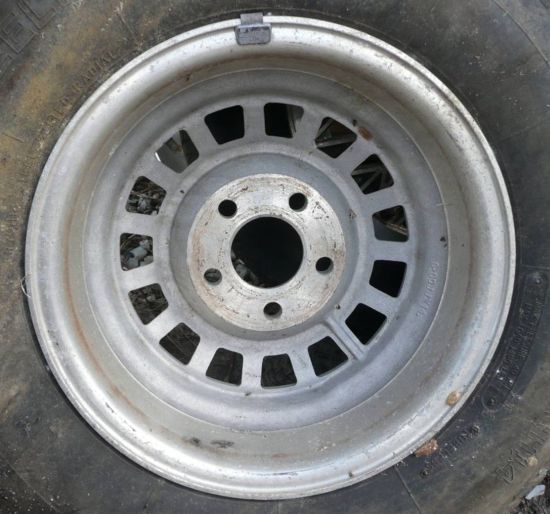
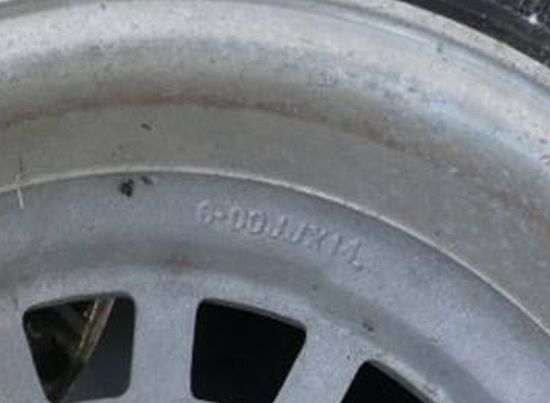
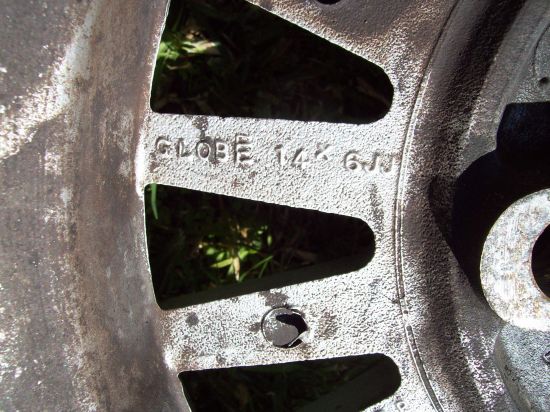
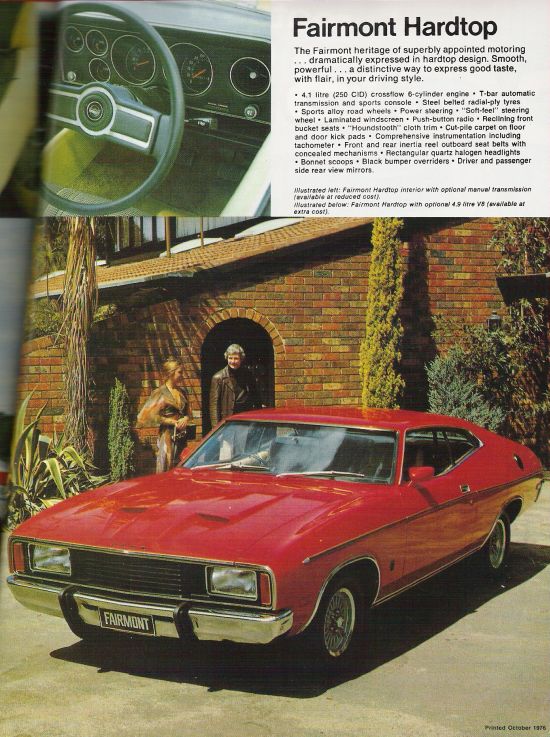
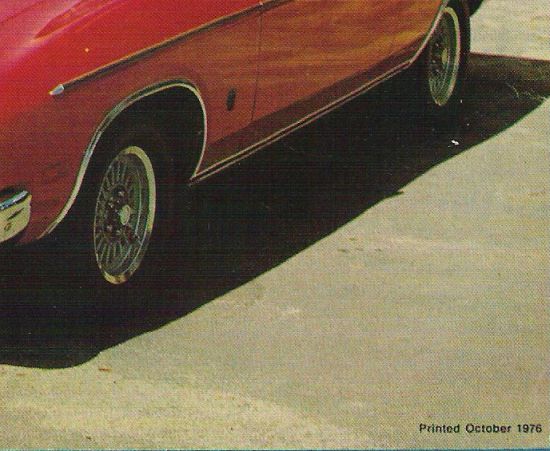
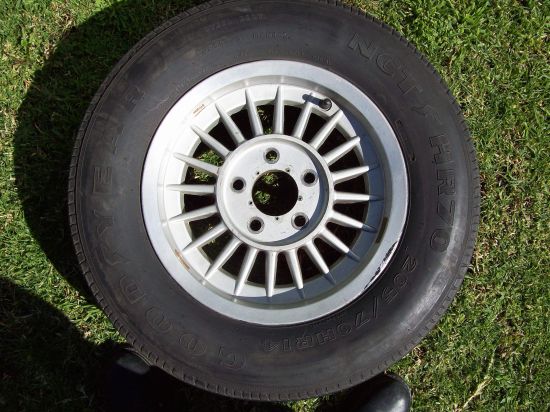
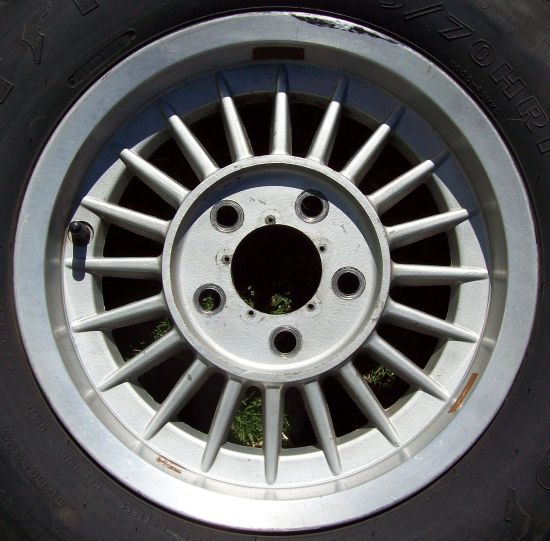
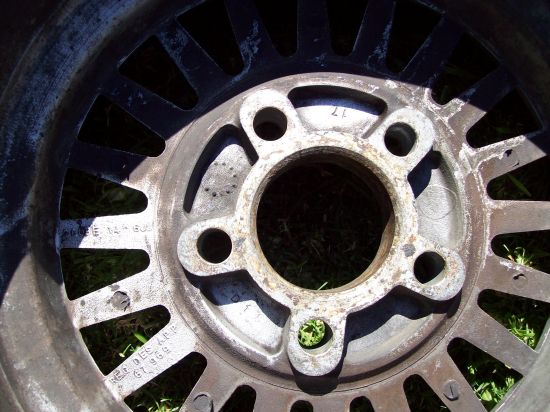
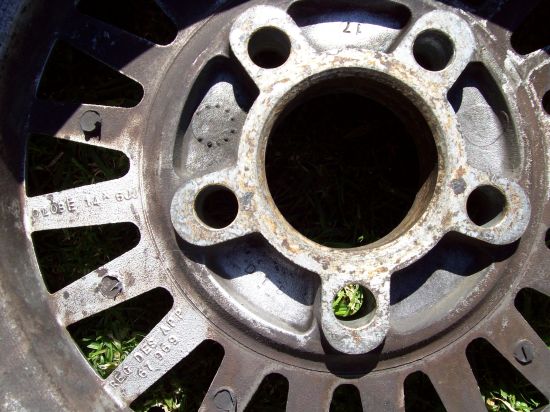
It is worth pointing out that Globe did not make wheels solely for Ford, as this advert shows. |
|
 |
|
|
|
Locking wheel nuts |
|
|
|
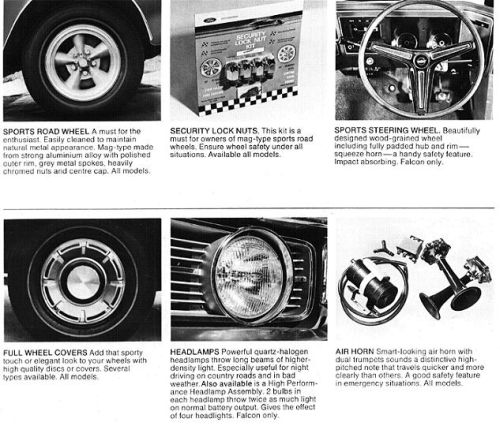
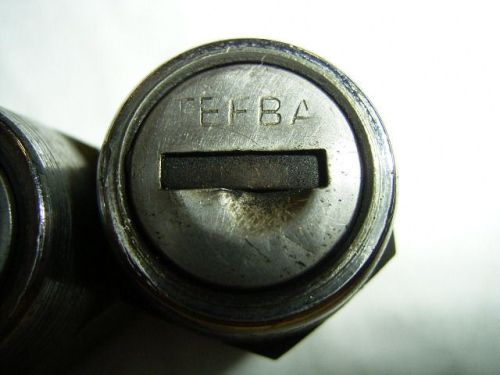
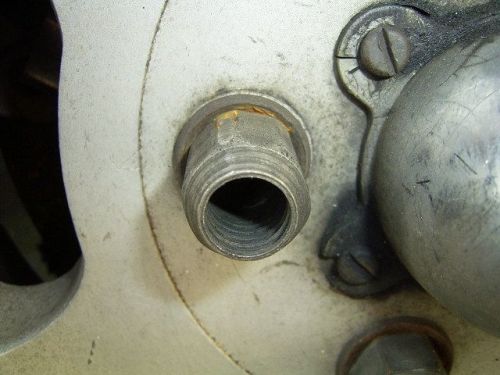
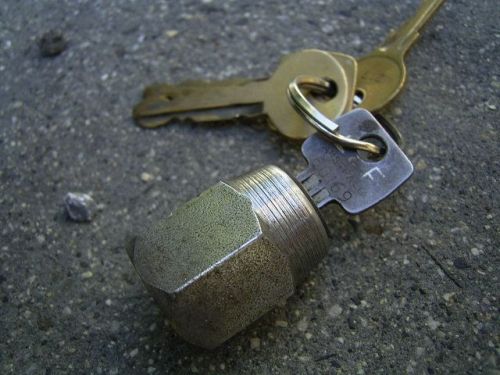
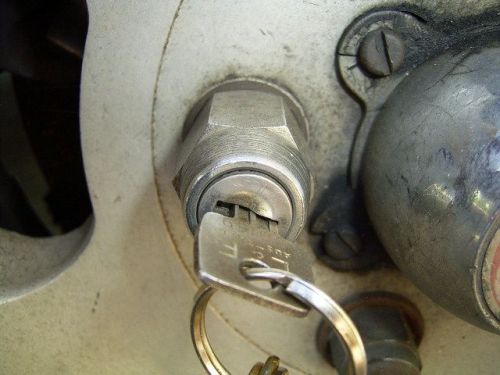
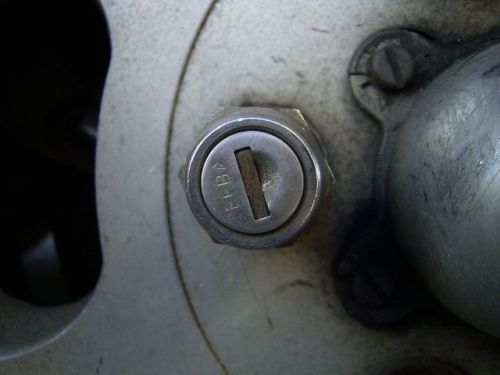
As an accessory, Ford offered locking wheel nuts for their wheels. |
|
|
|
|
|
|
|
|
|
|
|
|
|
|
 |
|||||||||||||
|
Here they are. |
|||||||||||||
 |
|||||||||||||
 |
|||||||||||||
 |
|||||||||||||
 |
|||||||||||||
 |
|||||||||||||
|
Back to contents |
|||||||||||||
|
|
|
[Australian Ford Register UK] [History] [The Cars] [Members] [Bits and Pieces] [Contents] [Model Changes - Dashes] [Vinyl Roofs] [Doorhandles - Tail lamps - Glass] [Underneath] [Underneath 2] [Thorn Red] [Spoilers - Horn Cars] [Styling - Bonnets] [Grand Sports] [Metricification] [Grand Sport details - P5 LTD] [Scoops and vents] [Wheels] [The other XR8 - P6 LTD] [Superbird] [Compliance Plates] [Engines] [Engines2] [Rust] [Stampings] [Falcons] [Literature] [Some UK background] [One owner] [Bits and Pieces 2] [Untitled124] [Links] [Visitors] [Events] [AusCCA] [Site History] |