 |
||||||||||||||||||||||||||||||||||||||
|





































|
|
 |
|
|
|
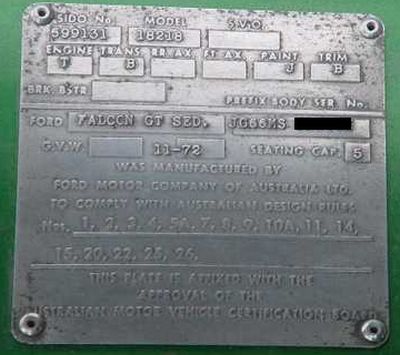
And another from later, November, in 1972. |
 |
|||||||||
|
|
|
|
|
|
|
|
|
|
|
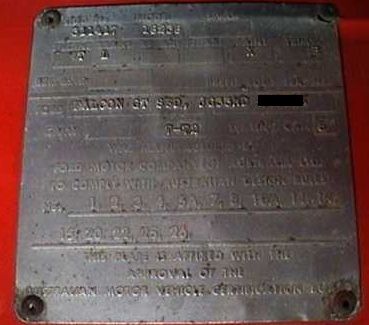
And is the same description as used for the four door sedan G.T. as below. |
|||||||||
 |
|||||||||
|
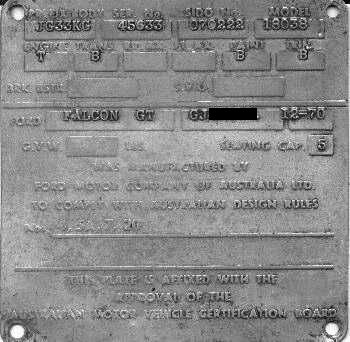
Here, for comparison, is a plate for a ‘FALCON GT’ of the XY model range. Being only four door cars ‘SED(an)’ would appear to be implied. |
|||||||||
 |
|||||||||
|
|
|
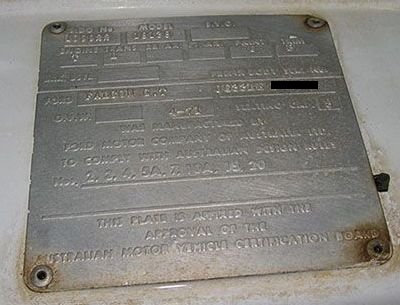
Or, you could describe it as a ‘FALCON G.T’ |
|
|
 |
|
|
|
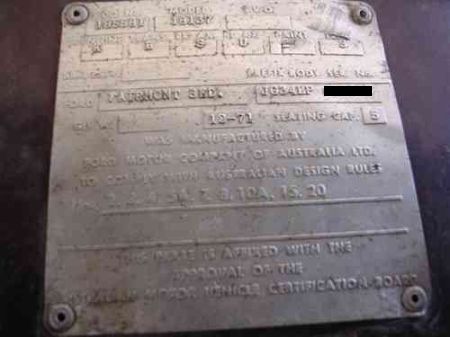
However, this 12-71 XY Fairmont has ‘SED’ on the plate. |
|
 |
|
|
|
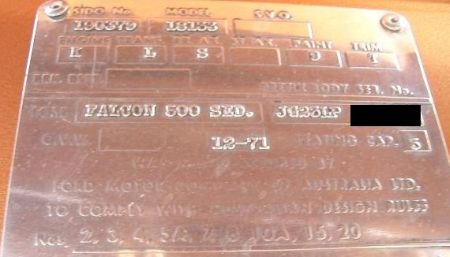
As does this 12-71 Falcon 500. |
 |
|||||
|
|
|
|
|
|
|
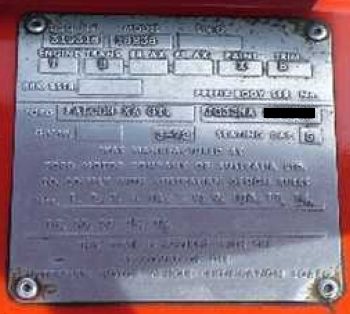
There could, however, be anomalies, like this early March, 1972 car described in full - very unusual for an XA - as a ‘FALCON XA GT.’ |
|||||
 |
|||||
|
|
|
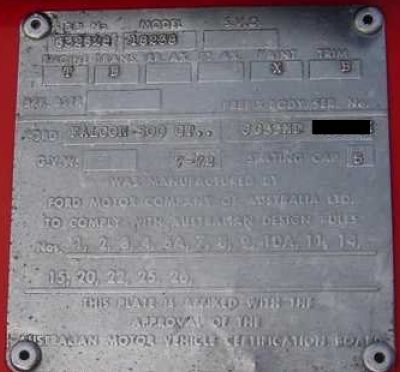
Or this July, 1972 XA four door GT which is described as a ‘FALCON 500 GT..’ |
 |
|||||
|
|
|
|
|
|
|
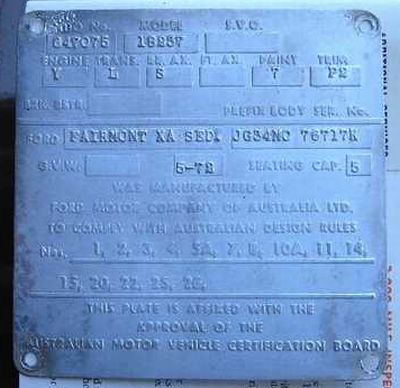
Or this May, 72 XA GS four door. |
|||||
 |
|||||
|
|
|
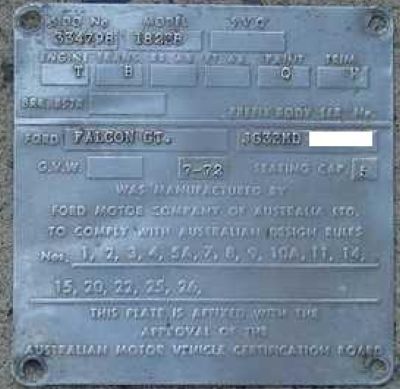
Worse, they get the body style code number - the third and fourth digits - in the VIN completely wrong ! |
|
 |
|
|
|
Considering the above two plates are both July, 1972 and are only separated by 16 digits in the VIN sequential number, the guy stamping the plates must have been having a bad day. |
|
|
|
|
|
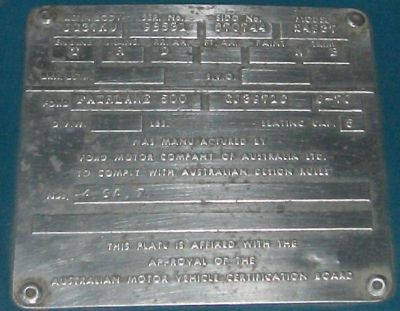
Note also that the layout of the 1970 data plate - below - is different from the 1971/72 plate, as shown immediately above. |
|||
 |
|||
|
|
|
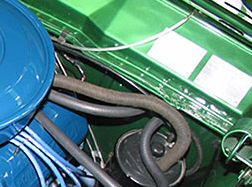
During production of the XA, to comply with new regulations effective from January, 1973, Ford changed to twin plates, which carried on to the XB. |
|
|
|||||||||||||||||||||
|
|
|
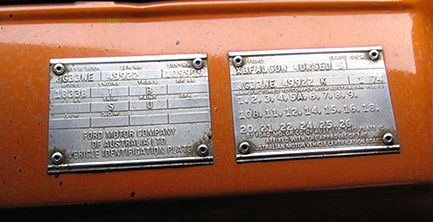
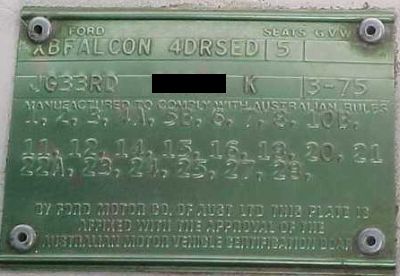
The twin plate took the following form. |
 |
|||||||||||||||||||||||||||||
|
Note that the plate now explicitly defines the car range, the model and a fuller description - ‘XBFALCON 4DRSED’. |
|||||||||||||||||||||||||||||
 |
|||||||||||||||||||||||||||||
|
|
|
|
|
|
|
|
|
|
|
|
|
|
|
|
|
|
|
|
|
|
|
|
|
|
|
|
|
|
|
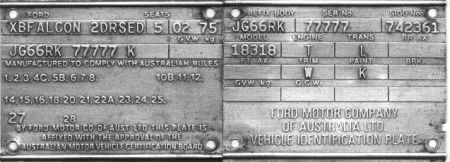
Similarily the XB hardtop |
|||||||||||||||||||||||||||||
 |
|||||||||||||||||||||||||||||
|
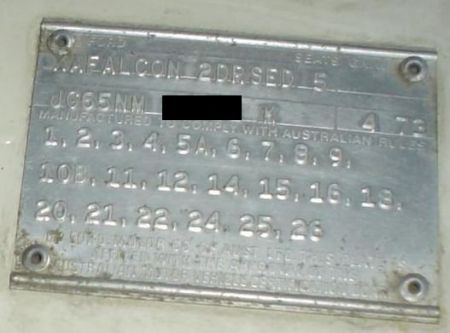
And the XA hardtop, when fitted with the twin plates. |
|||||||||||||||||||||||||||||
 |
|||||||||||||||||||||||||||||
|
Hardtops now had as a description ‘2DRSED’. |
|||||||||||||||||||||||||||||
|
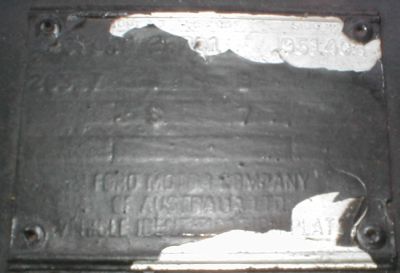
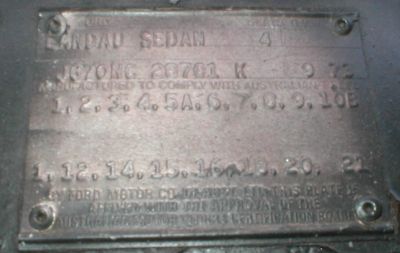
Below are the plates from a September, 1973 LTD Landau. |
|||||||||||||||||||||||||||||
 |
|||||||||||||||||||||||||||||
 |
|||||||||||||||||||||||||||||
|
Note that the description is ‘LANDAU SEDAN’ and again that the ‘sedan’ could be confusing, bearing in mind that the Landau was a two door hardtop car. |
|||||||||||||||||||||||||||||
|
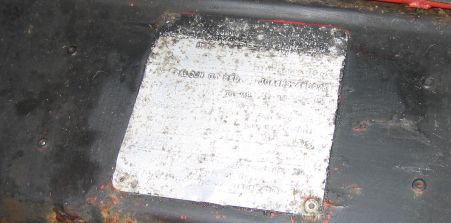
Quite straightforward you would have thought, but as we have seen before with Australian Fords, sometimes there can be slight anomalies, like below. |
|||||||||||||||||||||||||||||
 |
|||||||||||||||||||||||||||||
|
This is the single plate from a November, 1972 XA GT. But if you look carefully you can see that the cowl has the holes drilled for the twin plates, and the four holes not covered by the single plate have rivets in them. It appears that new twin plate cowl panels may have become available for fitting to cars, before the actual twin plate requirement came into force. |
|||||||||||||||||||||||||||||
|
Note too the single plate is displaced towards the driver’s side to centralise the plate within the eight hole spread.. |
|||||||||||||||||||||||||||||
 |
|||||||||||||||||||||||||||||
|
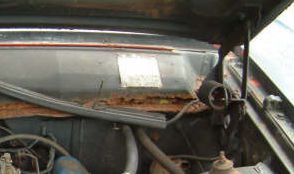
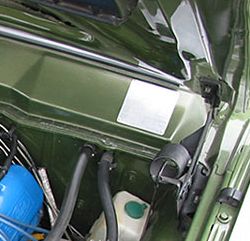
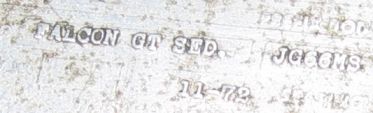
In comparison with the early style XA plate a seen in the photo at the top of the page, and again here. |
|||||||||||||||||||||||||||||
 |
|||||||||||||||||||||||||||||
|
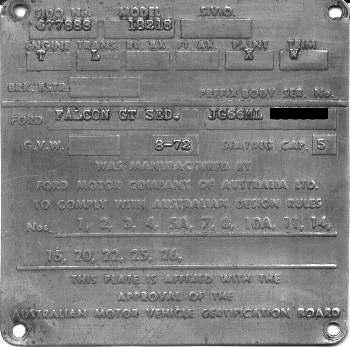
Of interest too is that the description of the XA is ‘FALCON GT SED.’ when it is a hardtop. |
|||||||||||||||||||||||||||||
 |
|||||||||||||||||||||||||||||
|
|
|
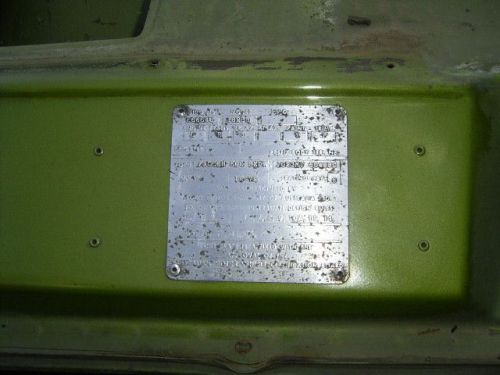
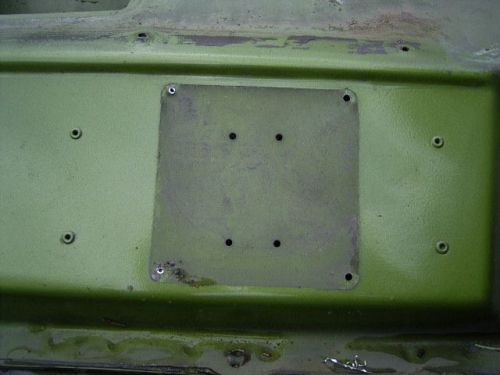
Here are some further photos of an XA Falcon 500 four door that was built in December, 1972. They more clearly show the single plate and the twin plate holes. |
 |
|||||||||||||||||||||||||||||||||||||||||||||||||||||||||||||||||||||||||||||||
|
|
|
|
|
|
|
|
|
|
|
|
|
|
|
|
|
|
|
|
|
|
|
|
|
|
|
|
|
|
|
|
|
|
|
|
|
|
|
|
|
|
|
|
|
|
|
|
|
|
|
|
|
|
|
|
|
|
|
|
|
|
|
|
|
|
|
|
|
|
|
|
|
|
|
|
|
|
|
|
 |
|||||||||||||||||||||||||||||||||||||||||||||||||||||||||||||||||||||||||||||||
|
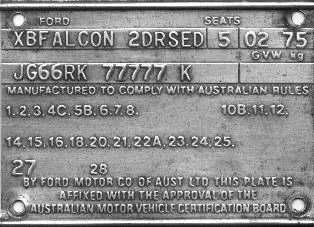
Cock-ups and mis-stamps appeared on the twin plates as well. |
|||||||||||||||||||||||||||||||||||||||||||||||||||||||||||||||||||||||||||||||
|
Here the date of manufacture - 02 75 - appears on the wrong line. |
|||||||||||||||||||||||||||||||||||||||||||||||||||||||||||||||||||||||||||||||
 |
|||||||||||||||||||||||||||||||||||||||||||||||||||||||||||||||||||||||||||||||
|
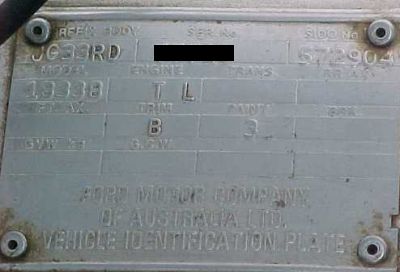
And here, the trans code appears in the engine box. |
|||||||||||||||||||||||||||||||||||||||||||||||||||||||||||||||||||||||||||||||
 |
|||||||||||||||||||||||||||||||||||||||||||||||||||||||||||||||||||||||||||||||
|
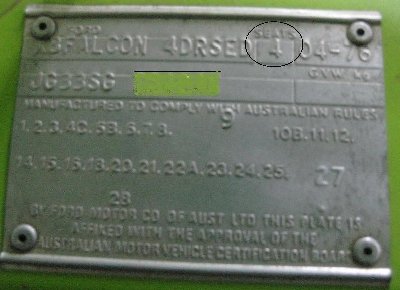
And here is another mis-stamped XB plate. Four seats instead of five? |
|||||||||||||||||||||||||||||||||||||||||||||||||||||||||||||||||||||||||||||||
 |
|||||||||||||||||||||||||||||||||||||||||||||||||||||||||||||||||||||||||||||||
|
The H.O. |
|||||||||||||||||||||||||||||||||||||||||||||||||||||||||||||||||||||||||||||||
|
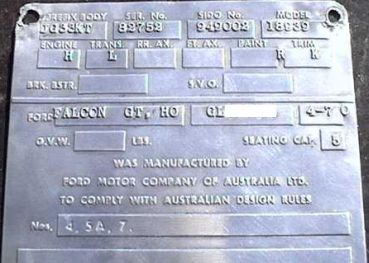
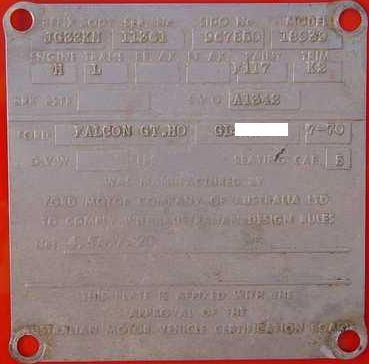
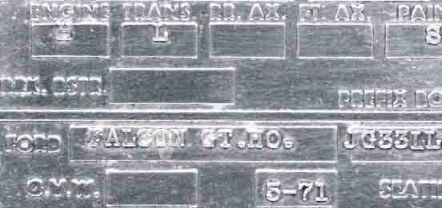
And, just in case you wondered, here are probably - for Ford fans - the ultimate descriptions. |
|||||||||||||||||||||||||||||||||||||||||||||||||||||||||||||||||||||||||||||||
 |
|||||||||||||||||||||||||||||||||||||||||||||||||||||||||||||||||||||||||||||||
|
Phase1.5 - April, 1970 |
|||||||||||||||||||||||||||||||||||||||||||||||||||||||||||||||||||||||||||||||
 |
|||||||||||||||||||||||||||||||||||||||||||||||||||||||||||||||||||||||||||||||
|
Phase2 - July, 1970 |
|||||||||||||||||||||||||||||||||||||||||||||||||||||||||||||||||||||||||||||||
 |
|||||||||||||||||||||||||||||||||||||||||||||||||||||||||||||||||||||||||||||||
|
Phase3 - May, 1971 |
|||||||||||||||||||||||||||||||||||||||||||||||||||||||||||||||||||||||||||||||
|
Ford used a system of single letter alphanumerics to signify the paint code for their cars. For example, in the XA Fairmont plate above, the paint code is ‘T’ which is ‘Lime Glaze’, and the ‘U’ on the XB plate is ‘Burnt Orange’. But special order colours were available, and unless it was very unusual, Ford would have a ‘Y-code’ for the colour. |
|||||||||||||||||||||||||||||||||||||||||||||||||||||||||||||||||||||||||||||||
|
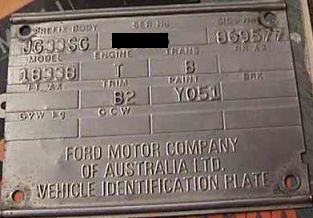
For example. |
|||||||||||||||||||||||||||||||||||||||||||||||||||||||||||||||||||||||||||||||
 |
|||||||||||||||||||||||||||||||||||||||||||||||||||||||||||||||||||||||||||||||
|
The code is ‘Y051’ which is ‘New England Green’, a very rare paint with only two XB GT four doors built in this colour. |
|||||||||||||||||||||||||||||||||||||||||||||||||||||||||||||||||||||||||||||||
|
Also see Will’s ‘Y422’ XB which is ‘Thorn Red Moffat Racing’ on the Details6 page. |
|||||||||||||||||||||||||||||||||||||||||||||||||||||||||||||||||||||||||||||||
|
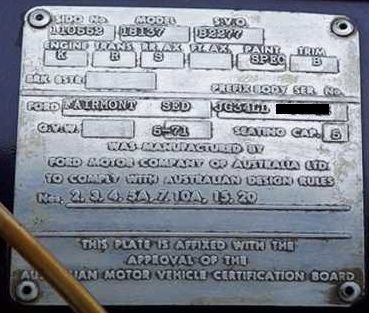
Earlier Fords which used the single compliance plate like this XY Fairmont below, used the word ‘SPEC’ in the paint section to denote a special order colour, in this case Wild Violet whereas you would expect it to be code ‘Z’. |
|||||||||||||||||||||||||||||||||||||||||||||||||||||||||||||||||||||||||||||||
 |
|||||||||||||||||||||||||||||||||||||||||||||||||||||||||||||||||||||||||||||||
|
It is worth noting that this car, an XY Fairmont, has engine code ‘K’ which is for a 351 2V - two barrel - engine, and the trans code is ‘R’ which is column shifted Cruisomatic. Both these options were available, but differ from that of a G.T. Both the two barrel engine, or column shift were ever installed in G.T’s. |
|||||||||||||||||||||||||||||||||||||||||||||||||||||||||||||||||||||||||||||||
|
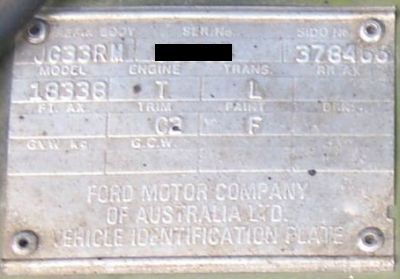
Similarily, Ford also used a single code letter to denote the trim colour. For example for the XB range:- B=Black, S=Saddle, K=Brown, C=Chamois, W=White and P=Parchment. In the plate above, the trim code is ‘B2’. The ‘2’ signified the cloth trim option where the upper surfaces of the seats were covered with cloth upholstery. |
|||||||||||||||||||||||||||||||||||||||||||||||||||||||||||||||||||||||||||||||
|
Here is another cloth trim plate. |
|||||||||||||||||||||||||||||||||||||||||||||||||||||||||||||||||||||||||||||||
 |
|||||||||||||||||||||||||||||||||||||||||||||||||||||||||||||||||||||||||||||||
|
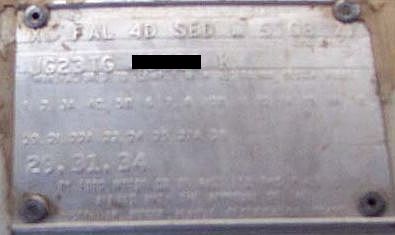
If you check the plates shown above, you will see that on the single plates for XA’s the car description is ‘FALCON’ or ‘FAIRMONT’, whereas, on the second XB plate the car is ‘XBFALCON’. Here is the plate from an XC. |
|||||||||||||||||||||||||||||||||||||||||||||||||||||||||||||||||||||||||||||||
 |
|||||||||||||||||||||||||||||||||||||||||||||||||||||||||||||||||||||||||||||||
|
The description has changed to ‘XC FAL’ and the body style is now ‘4D SED’. |
|||||||||||||||||||||||||||||||||||||||||||||||||||||||||||||||||||||||||||||||
|
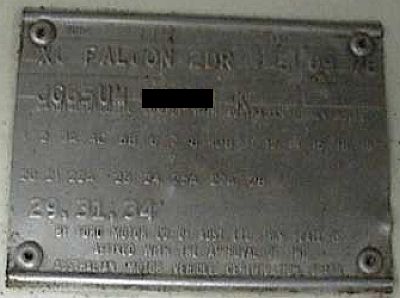
And the hardtop becomes |
|||||||||||||||||||||||||||||||||||||||||||||||||||||||||||||||||||||||||||||||
 |
|||||||||||||||||||||||||||||||||||||||||||||||||||||||||||||||||||||||||||||||
|
‘XC FALCON 2DR’ |
|||||||||||||||||||||||||||||||||||||||||||||||||||||||||||||||||||||||||||||||
|
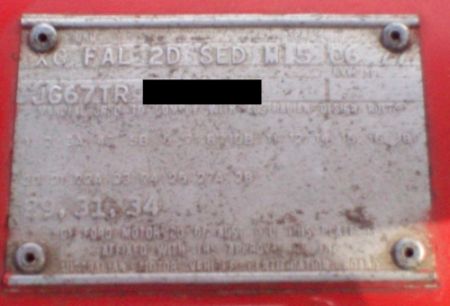
Or another ‘strange’ variation of the XC hardtop. |
|||||||||||||||||||||||||||||||||||||||||||||||||||||||||||||||||||||||||||||||
 |
|||||||||||||||||||||||||||||||||||||||||||||||||||||||||||||||||||||||||||||||
|
‘XC FAL 2D SED M’ |
|||||||||||||||||||||||||||||||||||||||||||||||||||||||||||||||||||||||||||||||
|
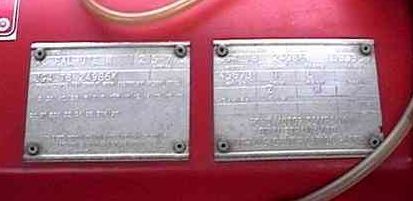
And a XC utility becomes ‘XC FAL UTE’. |
|||||||||||||||||||||||||||||||||||||||||||||||||||||||||||||||||||||||||||||||
 |
|||||||||||||||||||||||||||||||||||||||||||||||||||||||||||||||||||||||||||||||
|
Fairlane |
|||||||||||||||||||||||||||||||||||||||||||||||||||||||||||||||||||||||||||||||
|
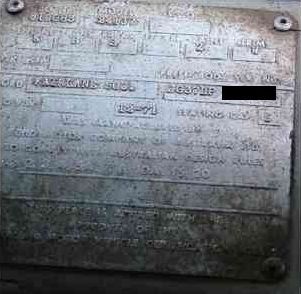
Fairlane plates followed those of the Falcon. Early Fairlanes like this ZD |
|||||||||||||||||||||||||||||||||||||||||||||||||||||||||||||||||||||||||||||||
 |
|||||||||||||||||||||||||||||||||||||||||||||||||||||||||||||||||||||||||||||||
|
used the single style plate. |
|||||||||||||||||||||||||||||||||||||||||||||||||||||||||||||||||||||||||||||||
|
Note the ‘FAIRLANE 500’ description. |
|||||||||||||||||||||||||||||||||||||||||||||||||||||||||||||||||||||||||||||||
|
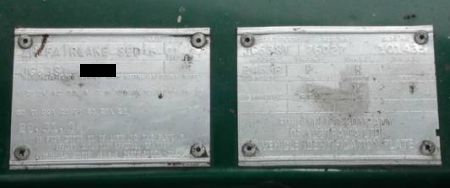
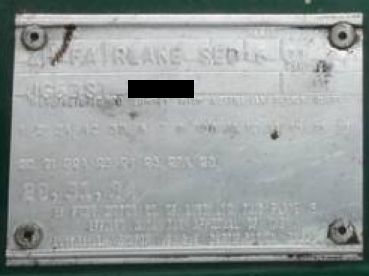
Later Fairlanes, like this ZH had the twin compliance plates. |
|||||||||||||||||||||||||||||||||||||||||||||||||||||||||||||||||||||||||||||||
 |
|||||||||||||||||||||||||||||||||||||||||||||||||||||||||||||||||||||||||||||||
 |
|||||||||||||||||||||||||||||||||||||||||||||||||||||||||||||||||||||||||||||||
|
The Date Code |
|||||||||||||||||||||||||||||||||||||||||||||||||||||||||||||||||||||||||||||||
|
Ford had a policy of ‘building in’ the manufactured date of their vehicles in the vehicle identification number or VIN. This was a two letter code, in the fifth and sixth places of the number. This is best illustrated by looking again at the data plate for the Ford Fairmont, above. |
|||||||||||||||||||||||||||||||||||||||||||||||||||||||||||||||||||||||||||||||
 |
|||||||||||||||||||||||||||||||||||||||||||||||||||||||||||||||||||||||||||||||
|
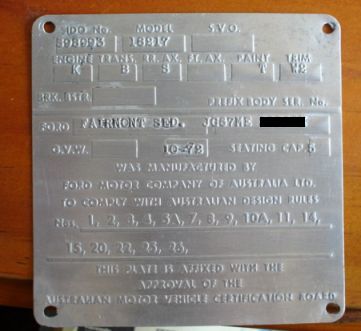
Note that the fifth and sixth characters of the VIN are ‘ME’. This decodes to August, 1972. Why then does the date stamping show ‘10-72’ ? |
|||||||||||||||||||||||||||||||||||||||||||||||||||||||||||||||||||||||||||||||
|
The decoded date of August, 1972 is known as the ‘Estimated Ship Date’ and conforms to the SIDO number which is in the top left hand corner of the data plate. The stamped date of October, 1972 is known as the ‘Revised Ship Date’ and is an indication of when the car was actually finally completed and was ready for shipping out of the factory. It is not uncommon for these dates to be, as in this case, even three months out of phase. It is worth noting that Ford will always reference the car by its ESD in the VIN, and not the RSD on the plate. So the Fairmont will always be an August, 1972 car. |
|||||||||||||||||||||||||||||||||||||||||||||||||||||||||||||||||||||||||||||||
|
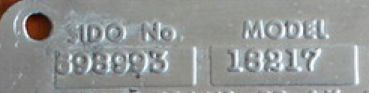
The SIDO number |
|||||||||||||||||||||||||||||||||||||||||||||||||||||||||||||||||||||||||||||||
 |
|||||||||||||||||||||||||||||||||||||||||||||||||||||||||||||||||||||||||||||||
|
The SIDO number is a strange thing, but is best explained as follows. Every dealer had an order book, and every form in that order book had a numbered page. This was a bit like a book of lottery tickets with sequential numbers. As the dealer filled in his order sheet for the car and the order was sent to Ford, this number stayed with car as part of the tracking process for that particular car. It stands to reason that these numbers could recycle, starting from 100000 and running to 999999, they would appear again many times, but because it is tied to that cars particular VIN, it remains unique. Unfortunately, this number does not refer to the dealer code, or any special export code. The dealer code could be found in the original logbooks, or in the paperwork which was secreted in the car - under seat cushions, wrapped around wiring looms - but it can be obtained from Ford Australia, if they are willing to do a search for your car. |
|||||||||||||||||||||||||||||||||||||||||||||||||||||||||||||||||||||||||||||||
|
XD and XE Compliance plates |
|||||||||||||||||||||||||||||||||||||||||||||||||||||||||||||||||||||||||||||||
|
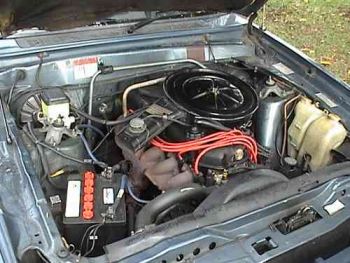
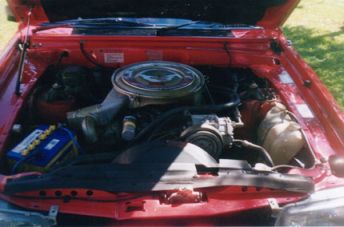
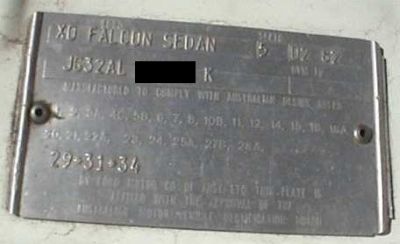
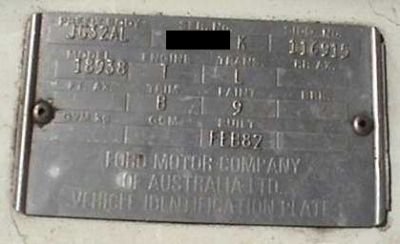
For the XD and XE model Falcons, Ford stayed with the twin compliance plates but moved them to the passenger side inner wing and spaced the plates apart, one in front of the suspension tower and one behind it. |
|||||||||||||||||||||||||||||||||||||||||||||||||||||||||||||||||||||||||||||||
 |
|||||||||||||||||||||||||||||||||||||||||||||||||||||||||||||||||||||||||||||||
|
An XE Fairmont Ghia with six cylinder engine. |
|||||||||||||||||||||||||||||||||||||||||||||||||||||||||||||||||||||||||||||||
 |
|||||||||||||||||||||||||||||||||||||||||||||||||||||||||||||||||||||||||||||||
|
An XE ESP with V8 engine. |
|||||||||||||||||||||||||||||||||||||||||||||||||||||||||||||||||||||||||||||||
|
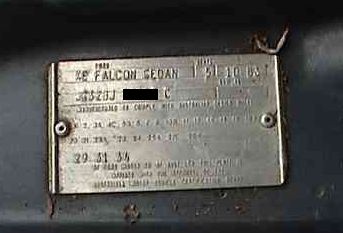
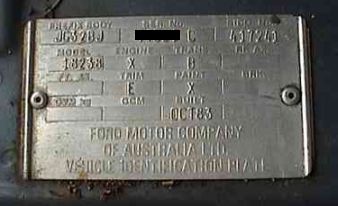
In comparison with the late XA, XB and XC twin plates, the order - as in from left to right - of the two plates was reversed with the descriptive and ADR codes plate on the left. |
|||||||||||||||||||||||||||||||||||||||||||||||||||||||||||||||||||||||||||||||
 |
|||||||||||||||||||||||||||||||||||||||||||||||||||||||||||||||||||||||||||||||
|
And the option code plate on the right. |
|||||||||||||||||||||||||||||||||||||||||||||||||||||||||||||||||||||||||||||||
 |
|||||||||||||||||||||||||||||||||||||||||||||||||||||||||||||||||||||||||||||||
 |
|||||||||||||||||||||||||||||||||||||||||||||||||||||||||||||||||||||||||||||||
 |
|||||||||||||||||||||||||||||||||||||||||||||||||||||||||||||||||||||||||||||||
|
|
|
Note also on XD and XE plates, they added an extra ‘field’ on the option plate under ‘paint’ to allow the date of manufacture to show on both plates. |
|
|
|
|
|
|
|
|
|
|
|
|
|
|
|
|
|
|
|
|
|
|
|
|
|
|
|
|
|
|
|
|
|
|
|
|
|
|
|
|
|
|
|
|
|
|
|
|
|
|
|
|
|
|
|
Earlier Falcon Compliance Plates |
|||||||||||||||||||||||||||||||||||||||||||||||||||||
|
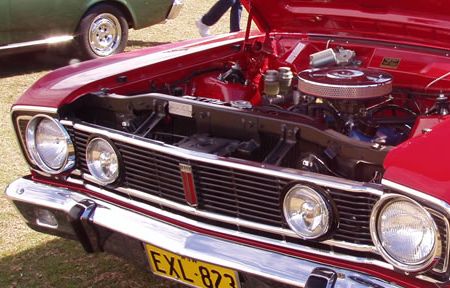
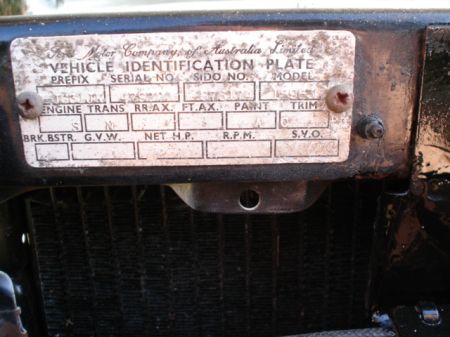
Early Falcons did not have the compliance plate attached to the scuttle, but had it bolted to the front of the radiator cross member on the drivers side, as seen on this XT Falcon. |
|||||||||||||||||||||||||||||||||||||||||||||||||||||
 |
|||||||||||||||||||||||||||||||||||||||||||||||||||||
|
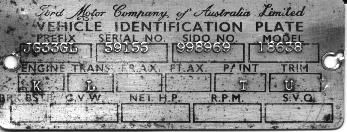
The plate was much smaller and, of necessity, simpler although it contained all of the valid and relevant information. Here is the plate from an XR GT. |
|||||||||||||||||||||||||||||||||||||||||||||||||||||
 |
|||||||||||||||||||||||||||||||||||||||||||||||||||||
 |
|||||||||||||||||||||||||||||||||||||||||||||||||||||
|
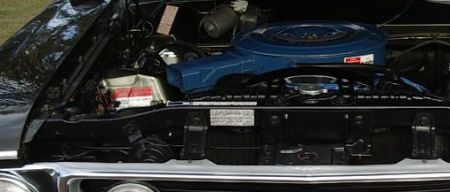
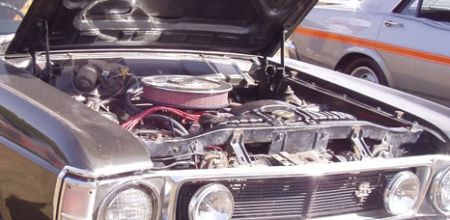
This style of plate lasted until 1969, which meant that 1969 XW Falcons came with this plate, but 1970 XW Falcons switched to the scuttle plate. Much the same as with the Jan, 1973 swap over discussed above during the XA production run, the difference in plates is a quick glance way of telling the year of car. Here is a 69 XW with the old plate. |
|||||||||||||||||||||||||||||||||||||||||||||||||||||
 |
|||||||||||||||||||||||||||||||||||||||||||||||||||||
|
A 1970 XW with the later scuttle plate. |
|||||||||||||||||||||||||||||||||||||||||||||||||||||
 |
|||||||||||||||||||||||||||||||||||||||||||||||||||||
|
It is worth pointing out that there are cases of December, 1969 XW’s that were actually completed in January, 1970 and are fitted with both the old style cross member plate and the new style scuttle plate. |
|||||||||||||||||||||||||||||||||||||||||||||||||||||
|
Back to contents |
|||||||||||||||||||||||||||||||||||||||||||||||||||||
|
The Export Plates |
|||||||||||||||||||||||||||||||||||||||||||||||||||||
|
While we know that Australian Fords sent to the U.K. had no changes to their compliance plates, but this was not true for those manufactured in other countries, many of them from CKD form |
|||||||||||||||||||||||||||||||||||||||||||||||||||||
|
South Africa |
|||||||||||||||||||||||||||||||||||||||||||||||||||||
|
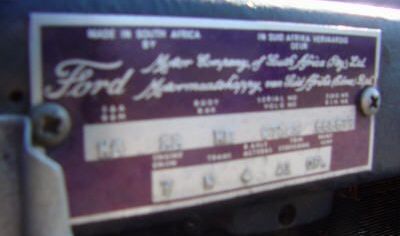
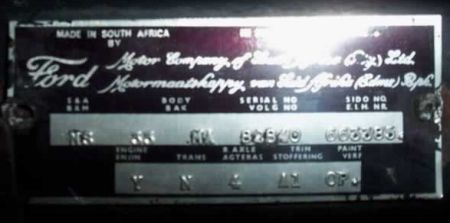
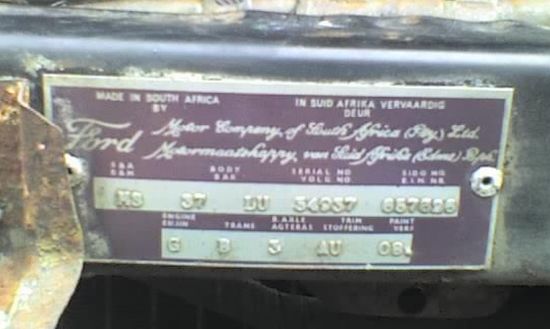
South African Fairmont GTs were shipped to South African and assembled in Ford’s assembly plant in Port Elizabeth. The plates were attached to the radiator crossmember like the Australian cars, but were dual language, English and Afrikaans. |
|||||||||||||||||||||||||||||||||||||||||||||||||||||
 |
|||||||||||||||||||||||||||||||||||||||||||||||||||||
|
Or a little more clearly. |
|||||||||||||||||||||||||||||||||||||||||||||||||||||
 |
|||||||||||||||||||||||||||||||||||||||||||||||||||||
|
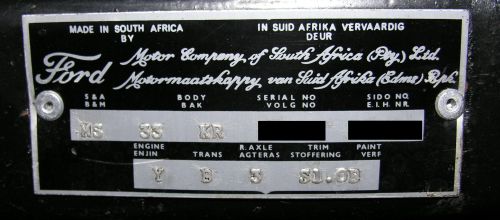
The initial part of the plate decodes as ‘MS’ where ‘M’ is Export and ‘S’ is South Africa, the ‘33’ signifies a GT, and the code ‘MR’ or ‘MK’ - it is difficult to decipher - is the date of manufacture. This is significant because ‘MR’ is February, 1972 and ‘MK’ is June, 1972. If this was an Australian XY GT Falcon, a February, 1972 date would be one of the very last XY’s and a June, 1972 date would not exist. However, South African XY based Fairmont GT’s were built right through 1972, and there is some evidence to suggest there may have been some built in 1973, long after the XA was in production in Australia. |
|||||||||||||||||||||||||||||||||||||||||||||||||||||
 |
|||||||||||||||||||||||||||||||||||||||||||||||||||||
|
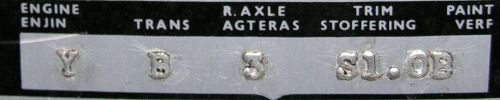
Here is another South African plate, this time from an XW GT which was white, with a black vinyl roof and red interior. |
|||||||||||||||||||||||||||||||||||||||||||||||||||||
 |
|||||||||||||||||||||||||||||||||||||||||||||||||||||
|
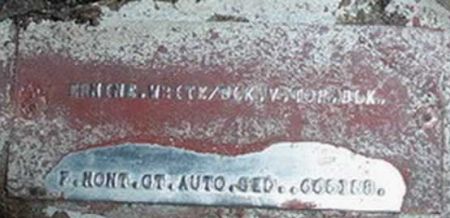
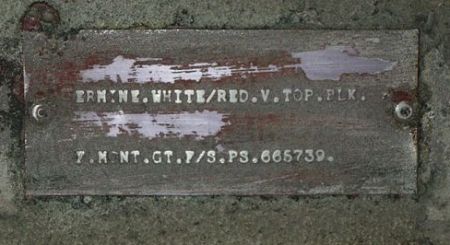
On South African cars there is also a plate under the driver’s seat. |
|||||||||||||||||||||||||||||||||||||||||||||||||||||
 |
|||||||||||||||||||||||||||||||||||||||||||||||||||||
 |
|||||||||||||||||||||||||||||||||||||||||||||||||||||
|
This plate details the body colour and stripe colour and the vinyl top colour, and tells us what the model is, the transmission fitted and the SIDO number. |
|||||||||||||||||||||||||||||||||||||||||||||||||||||
|
Here is another South African plate, this time from Sean’s ZD Fairlane. |
|||||||||||||||||||||||||||||||||||||||||||||||||||||
 |
|||||||||||||||||||||||||||||||||||||||||||||||||||||
|
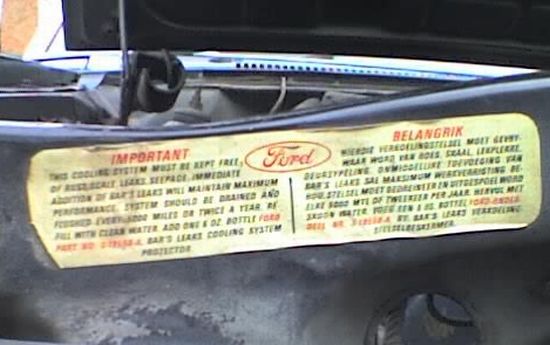
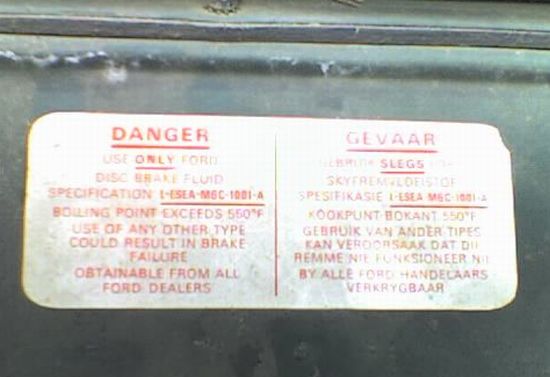
And some of the under bonnet warning labels. |
|||||||||||||||||||||||||||||||||||||||||||||||||||||
 |
|||||||||||||||||||||||||||||||||||||||||||||||||||||
 |
|||||||||||||||||||||||||||||||||||||||||||||||||||||
|
New Zealand |
|||||||||||||||||||||||||||||||||||||||||||||||||||||
|
One of our members, John, owns the orange XB Falcon that he has turned into a replica of the Big Bopper car from the film ‘Mad Max’. This car came from New Zealand although how or when it arrived in the U.K. nobody knows. |
|||||||||||||||||||||||||||||||||||||||||||||||||||||
|
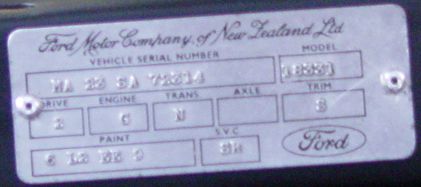
This is the New Zealand compliance plate. |
|||||||||||||||||||||||||||||||||||||||||||||||||||||
 |
|||||||||||||||||||||||||||||||||||||||||||||||||||||
|
There are some quite interesting things on this plate, so here goes. |
|||||||||||||||||||||||||||||||||||||||||||||||||||||
|
The initial code ‘MA’. This applies, like the South African cars, to ‘M’ being export and ‘A’ being New Zealand. However, it has been accepted for a while that New Zealand cars should be coded ‘ML’. |
|||||||||||||||||||||||||||||||||||||||||||||||||||||
|
‘23’ is for Falcon 500 sedan. |
|||||||||||||||||||||||||||||||||||||||||||||||||||||
|
‘SA’ is for March, 1976 manufacture. |
|||||||||||||||||||||||||||||||||||||||||||||||||||||
|
‘18331’ is the model number for a Falcon 500 sedan. |
|||||||||||||||||||||||||||||||||||||||||||||||||||||
|
‘G’ is the engine, a 200ci single barrel six cylinder. |
|||||||||||||||||||||||||||||||||||||||||||||||||||||
|
‘N’ is the manual gearbox, three speed, column shift. |
|||||||||||||||||||||||||||||||||||||||||||||||||||||
|
‘6 L2 EE 9’ for paint ? This is a mystery and appears to have no corelation with anything Australian. For what it is worth, John’s car was orange with a cream/white vinyl top. |
|||||||||||||||||||||||||||||||||||||||||||||||||||||
|
You will note also that by March, 1976, Ford in Australia had passed through the single scuttle compliance plate and were now on the twin plate, yet this New Zealand plate very much takes the form of the sixties Australian plate. |
|||||||||||||||||||||||||||||||||||||||||||||||||||||
|
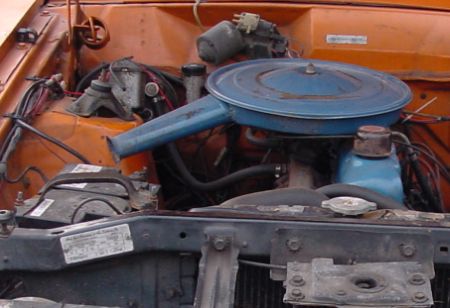
Not only does it take the form, but it also takes the location. |
|||||||||||||||||||||||||||||||||||||||||||||||||||||
 |
|||||||||||||||||||||||||||||||||||||||||||||||||||||
|
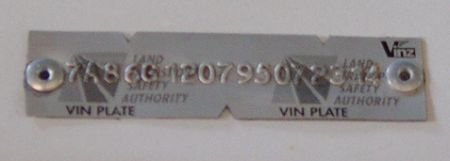
Note that there is also a small tag on the scuttle. Here is a close up. |
|||||||||||||||||||||||||||||||||||||||||||||||||||||
 |
|||||||||||||||||||||||||||||||||||||||||||||||||||||
|
This looks very much like the standard worldwide 17 digit VIN code, but all that seems common to the Ford compliance plate is the SIDO number ‘72314’. If it is a worldwide VIN then ‘7’ would indicate New Zealand and ‘A’ should represent the manufacturer, Ford. The ‘G’ is possibly the engine code. I have no idea where this tag or its philosophy comes from. The only thing I can think of is that the New Zealand authorities decided to retroactively fit older vehicles with a modern VIN at some time. The tag certainly does look very official and appears to say ‘Land Transport Safety Authority’ on it. Anyone with any New Zealand information ? |
|||||||||||||||||||||||||||||||||||||||||||||||||||||
|
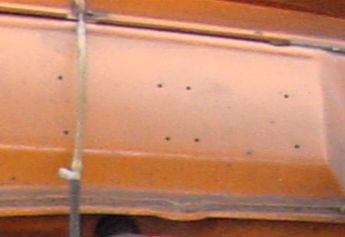
Note also that this car is the one whose picture features the scuttle with eight holes drilled above. I assume that the scuttle panle came with the holes drilled from the stamping plant. |
|||||||||||||||||||||||||||||||||||||||||||||||||||||
 |
|||||||||||||||||||||||||||||||||||||||||||||||||||||
|
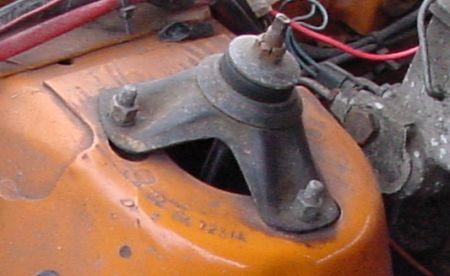
The other interesting thing about John’s New Zealand car is the location of the stamped VIN. |
|||||||||||||||||||||||||||||||||||||||||||||||||||||
|
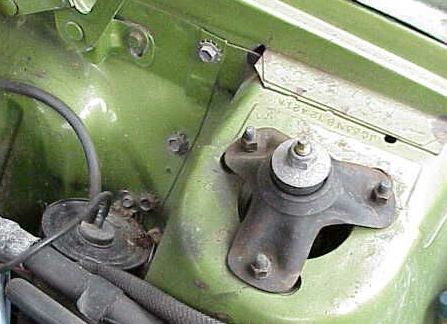
From 1970 on Australian sold cars the VIN was stamped on the top of the passenger side suspension tower, to be visible looking over the wing and adjacent to the upper shock mount. |
|||||||||||||||||||||||||||||||||||||||||||||||||||||
 |
|||||||||||||||||||||||||||||||||||||||||||||||||||||
|
John’s N.Z. car has the VIN stamped on the drivers side suspension tower, where it is aligned to be viewed over the grille, and the stamping is curved to follow the top of the tower. |
|||||||||||||||||||||||||||||||||||||||||||||||||||||
 |
|||||||||||||||||||||||||||||||||||||||||||||||||||||
|
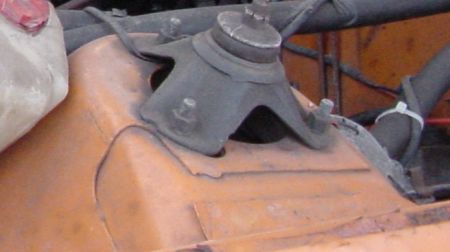
And there is nothing stamped in the Australian location. |
|||||||||||||||||||||||||||||||||||||||||||||||||||||
 |
|||||||||||||||||||||||||||||||||||||||||||||||||||||
|
Hopefully a new Zealand visitor can shed some light on this. |
|||||||||||||||||||||||||||||||||||||||||||||||||||||
|
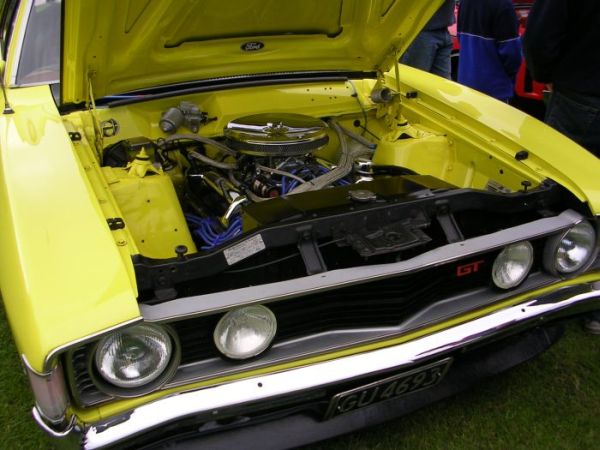
Here is another photo on a New Zealand car, an XA GT, showing the location of the NZ compliance plate. |
|||||||||||||||||||||||||||||||||||||||||||||||||||||
|
|
 |
|
|
|
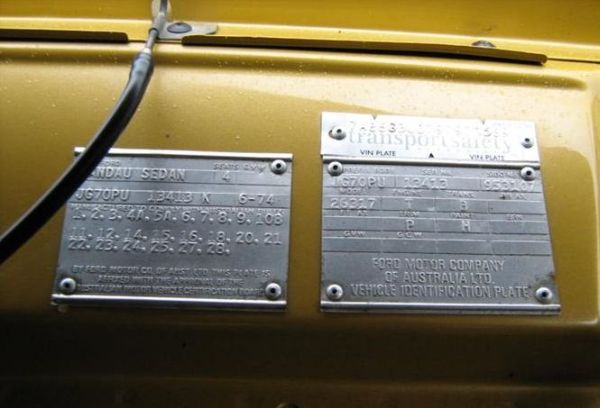
Here are the compliance plates for a Landau that was recently for sale in New Zealand which also has the New Zealand Transport Authority plate on it. |
|
|
 |
|
|
|
|
|
|
|
|
|
|
|
|
|
|
|
|
The Dog Tags |
||||||||||||||
|
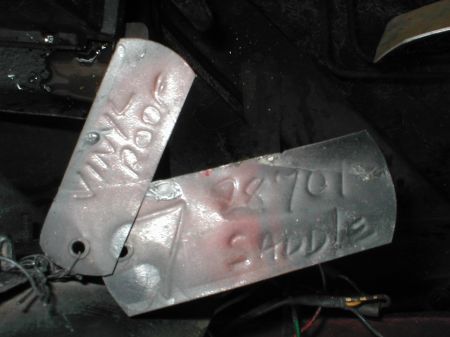
Here are some interesting things. Mark, who owns a Landau here in the U.K. recently suffered the misfortune of a burst radiator. When he removed the radiator, he found these ‘dog tags’ attached to the radiator support, and hidden when the radiator is in place. |
||||||||||||||
 |
||||||||||||||
|
If we consider that this is the compliance plate from Mark’s car. |
||||||||||||||
|
||||||||||||||
|
We can see that the ‘28701’ on the dig tag conforms to the sequential VIN of the car. Also, Marks’ Landau has a vinyl roof, and it has the code ‘S’ saddle trim interior, shown on the tags. |
||||||||||||||
|
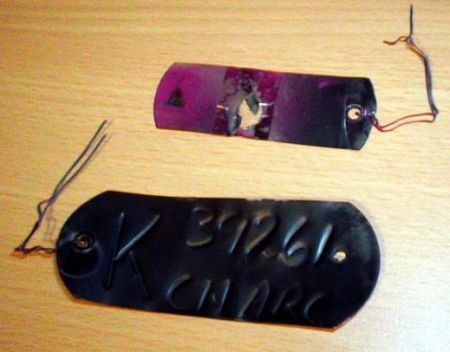
Information shared by the G.T. Historian informs us that these tags were on all cars originally, and were usually lost when the radiator was changed. As well as trim and roof information, these tags have also been known to carry stripe delete information for GT’s and Special Order colours for all cars. |
||||||||||||||
 |
||||||||||||||
|
|
|
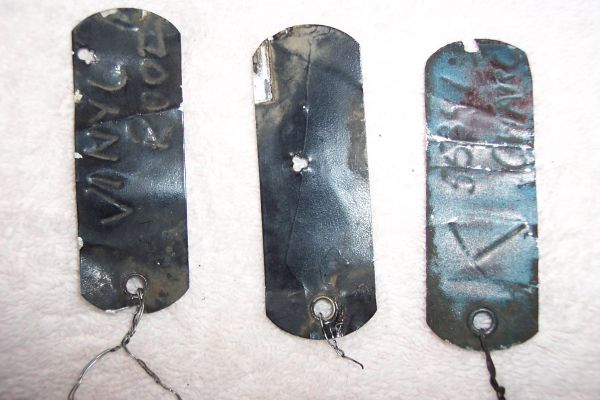
Some more dog tags, these from an XY with black vinyl roof and charcoal interior. |
|
 |
|
|
|
Radiator support tags |
|
|
|
As noted elsewhere, late XB’s and XC’s could be fitted with an extra tag attached to the radiator support showing further options fitted to the cars. |
|
|
|
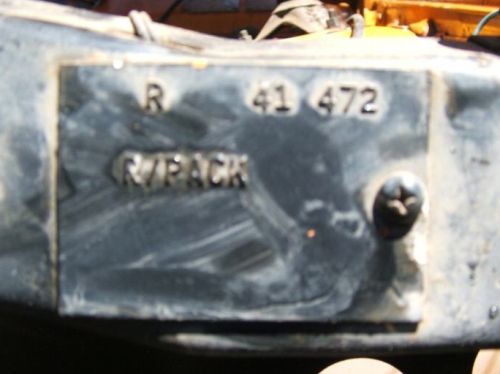
Here is an XC wagon fitted with the common ‘R/PACK’ tag. |
|
|
 |
|
|
|
The ‘R/PACK’ is an interesting option. It was also know as the ‘GS Rallye Pack’ and was a series of upgrades fitted to XC modle Falcons and Fairmonts. |
|
|
|
Steve supplied us with the following excellent breakdown of the Rallye Pack. |
|
|
|
The GS Rally pack is an option on all XCs Falcon 500s and Fairmont’s except the Falcon Coupe. This car is sold as a “GS” Hardtop. Also the Fairmont Coupe, no GS option for this, it was standard. The GXL was a model in sedan only and had all the Fairmont GS features plus more. Note, no car has GXL options. It can only have Rally pack.
|
|
|
|
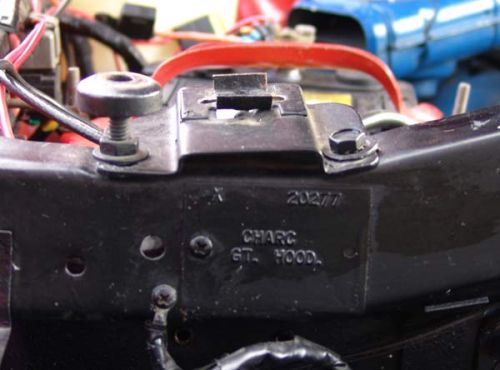
Here is an interesting tag. |
|
|
 |
|
|
|
This tag is on the driver’s side of the radiator support. The top tag is on the passenger side. It would appear that for the XC model the tag was on fitted to the passenger side, but, when this tag was used on late model XB’s, it was fitted to the driver’s side. The above tag is fitted to one of the last XB GT’s and tells the line workers that his car is painted with the GT bonnet paintouts. |
|
|
|
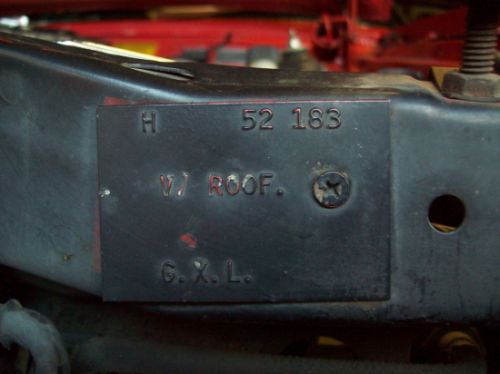
Here is the tag for an XC GXL. |
|
|
|
|
 |
|||
|
|
|
[Australian Ford Register UK] [History] [The Cars] [Members] [Bits and Pieces] [Contents] [Model Changes - Dashes] [Vinyl Roofs] [Doorhandles - Tail lamps - Glass] [Underneath] [Underneath 2] [Thorn Red] [Spoilers - Horn Cars] [Styling - Bonnets] [Grand Sports] [Metricification] [Grand Sport details - P5 LTD] [Scoops and vents] [Wheels] [The other XR8 - P6 LTD] [Superbird] [Compliance Plates] [Engines] [Engines2] [Rust] [Stampings] [Falcons] [Literature] [Some UK background] [One owner] [Bits and Pieces 2] [Untitled124] [Links] [Visitors] [Events] [AusCCA] [Site History] |